What Is Upland Hunting? A Complete Guide to Hunting Game Birds on Foot
Upland hunting is the walk-up pursuit of game birds like pheasant, quail, grouse, and chukar, usually behind a bird dog and always with a shotgun at the ready. Here is how it works, what you need, and how to get started.
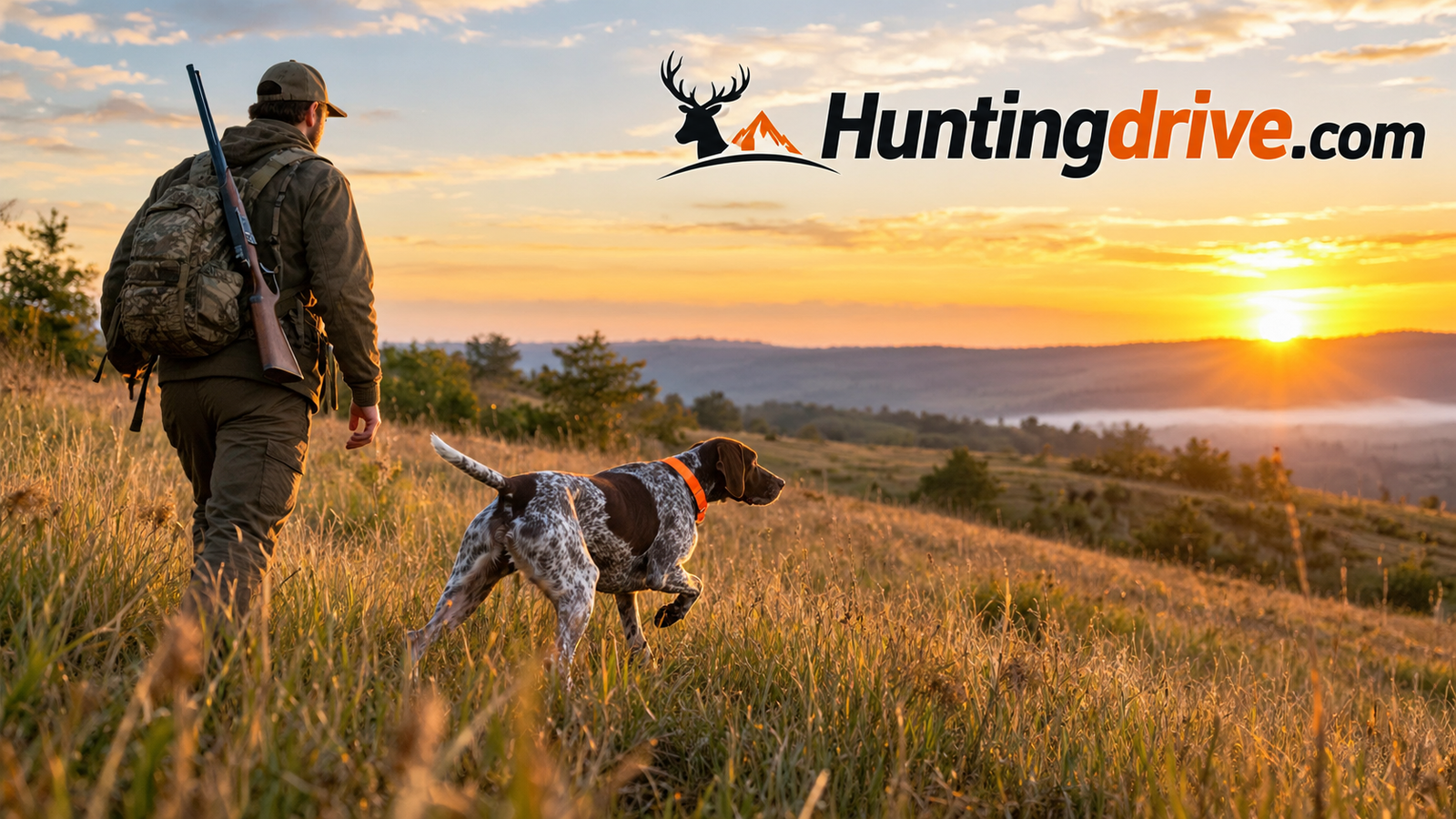
The short answer: Upland hunting is a style of bird hunting where you walk through fields, grasslands, brush, and woodland edges to find game birds that live on dry ground, then shoot them in flight with a shotgun. It is most often done with a pointing or flushing dog, and it covers birds such as pheasant, bobwhite quail, ruffed grouse, chukar, Hungarian partridge, and woodcock.
Ask ten upland hunters why they do it and you will get ten different answers, but they tend to circle the same few ideas: the dog work, the walking, the quiet, the sudden jolt of a rooster pheasant cackling out of the grass, and a dinner table that feels earned. It is a slower, more social, and often more affordable way into hunting than many people expect. It is also one of the easiest forms of hunting to love once you have seen a good dog lock up on scent.
This guide walks you through everything a newcomer needs to understand. We will cover what the term means, the birds involved, the landscapes where the hunt happens, how dogs fit in, which shotguns and chokes make sense, what to wear, how to hunt a field, how to practice, how to stay safe, how seasons and licenses work, and what to do with your birds once you have them in the game bag.
What Upland Hunting Actually Means
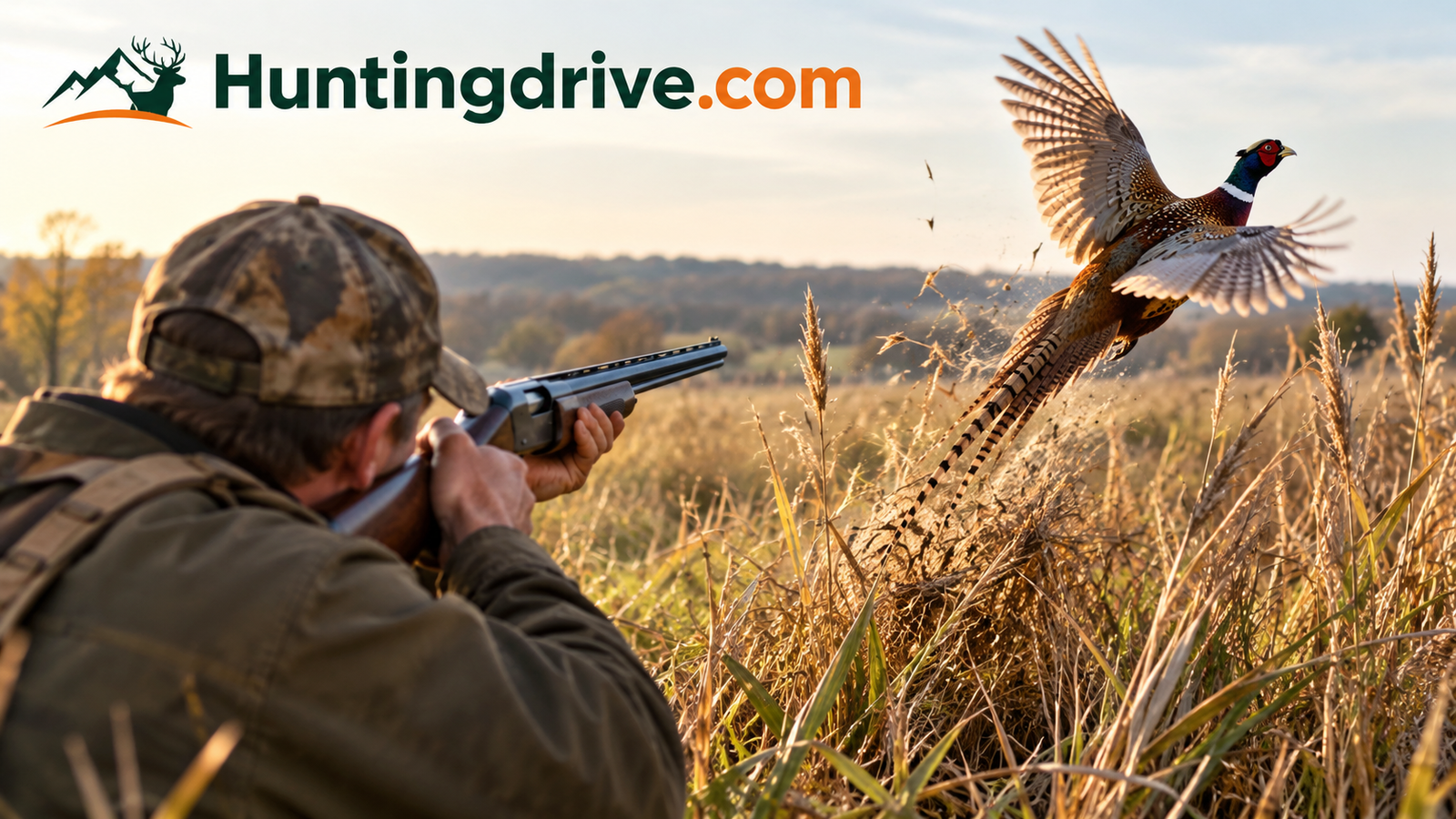
Strip away the jargon and upland hunting is simple. You walk through country that is higher and drier than a marsh or river bottom, you look for game birds that make their living on the ground, and you shoot them on the wing with a shotgun. The birds hold tight in cover, trusting their camouflage, and then erupt into the air at the last second. Often it is a dog that finds them first. You get a heartbeat or two to mount the gun, pick one bird, and decide whether the shot is safe and makes sense.
The word “upland” simply separates these birds from waterfowl. Ducks and geese are tied to wetlands, ponds, rivers, and flooded fields. Upland birds live in grassland, croplands, shrubby draws, sagebrush, young forest, and rocky hillsides. Hunters generally use the phrase “upland game birds” for pheasant, several species of quail, ruffed grouse, sharp-tailed grouse, chukar, Hungarian partridge, and woodcock. Different states and provinces draw the line in slightly different places. Some wildlife agencies fold mourning doves, wild turkey, or even rabbits and squirrels into broader small-game or upland categories, so always check how your own agency defines it before you plan a trip.
Walking is the whole point
Unlike sitting in a blind or a stand, upland hunting is active. A typical day means a few miles of walking through cover that grabs at your legs. You might be crossing a soybean stubble field, pushing through a thicket of aspen, or following a ridge in sagebrush country. The hunt is a conversation between hunter, dog, wind, and terrain, and it rewards people who like to move. If you get restless on a deer stand, this style may suit you much better.
Three ingredients: birds, dogs, and a shotgun
Almost every upland outing combines the same three ingredients. First, wild or released game birds in appropriate habitat. Second, a dog trained to find and either point or flush those birds, although plenty of people hunt without one. Third, a shotgun suited to fast, relatively close shots. Everything else, from boots to vests to GPS collars, is built around those three things working together.
A quick clarification: If the phrase “snipe hunting” popped into your head, that is the old camp prank where a newcomer is sent into the dark with a bag to catch an imaginary creature. It has nothing to do with the real sport described here, although there is a genuine bird called Wilson’s snipe. If you are curious about where the joke came from, our explainer on what snipe hunting is covers both the prank and the real thing.
How upland hunting compares with other types of hunting
New hunters often ask how this style fits alongside duck hunting or deer hunting. The table below gives a practical side-by-side view.
| Feature | Upland bird hunting | Waterfowl hunting | Big game hunting |
|---|---|---|---|
| Pace | Active, walking most of the day | Mostly stationary in a blind or boat | Often stationary, or slow stalking |
| Typical firearm | Light shotgun, open chokes | Shotgun with non-toxic shot, tighter chokes | Rifle, muzzleloader, or bow |
| Role of a dog | Central to the hunt, though optional | Retrieving, usually in water | Rare, mostly tracking |
| Typical shot distance | Close to moderate, often inside 35 yards | Moderate, often 25 to 45 yards | Varies widely with weapon |
| Terrain | Fields, grassland, brush, woodland edges | Marshes, ponds, flooded timber, rivers | Forest, ridges, farmland, open range |
| Entry cost | Moderate, can be low without a dog | Moderate to high with decoys and blinds | Moderate to high depending on weapon |
None of these is better than the others, and plenty of hunters do all three. What sets upland hunting apart is the combination of constant movement, close-range wingshooting, and the working partnership with a dog. If any of that sounds appealing, you are in the right place.
Starting an upland kit from scratch?
Browse a wide range of upland hunting gear on Amazon and compare options at your own pace.
Heritage, Conservation, and Why People Love It
Hunting birds with the help of dogs is old. In Europe, hunters worked pointing and flushing dogs ahead of nets and later guns for centuries, and the idea of the “walked-up” bird hunt grew from that tradition. Large estates also developed driven shoots, where beaters push birds over a line of waiting guns. In North America, early settlers hunted native grouse, quail, and prairie birds for the table. Later, in the late nineteenth century, the ring-necked pheasant from Asia was brought over and established, and the sport took on the shape many hunters know today.
Over the following decades, upland hunting became a staple of rural life across the Midwest and Great Plains, and it carved out its own corners in the Northeast, the Appalachians, the South, and the intermountain West. Different regions developed their own favorites: pheasant in the farm belt, bobwhite quail in the Southeast and the southern plains, ruffed grouse and woodcock in northern forests, chukar on steep western hillsides.
A sport that funds its own habitat
One of the most important things to know about upland hunting is how closely it is tied to conservation. Hunting licenses and stamps help fund state wildlife agencies. In the United States, a federal excise tax on firearms and ammunition also supports wildlife restoration through state programs. Organizations such as Pheasants Forever, Quail Forever, and the Ruffed Grouse Society, along with many local clubs, raise money and rally volunteers to plant cover, restore grasslands, and manage young forest. When you buy a license and join one of these groups, you are quietly paying for habitat that many non-game species use too.
What draws people in
People stay with upland hunting for reasons that go beyond the bird in the bag. Many describe the dog work as the main draw: watching a bird dog read the wind, slow down, and freeze on point is hard to describe to someone who has not seen it. Others love the pace. You are outside, moving, talking with friends, and paying attention to the land. There is also a strong community around it. Shared dinners after a hunt, stories about the birds that got away, and long days with a good partner are all part of the culture.
The honest pros and cons
Like any pursuit, it is not perfect for everyone. Here is a fair look at both sides.
Pros
- Active and social, great for exercise and company
- Relatively low barrier to entry, especially at shooting preserves
- Dog work adds depth and a built-in partnership
- Excellent table fare from wild birds
- Access to public land is common in many regions
- Season stretches across the fall, with flexible daily pace
Cons
- Bird numbers vary with weather, habitat, and region
- A good dog takes time, money, and daily commitment
- Fast wingshooting takes real practice to do well
- Rough terrain and heavy cover can be physically demanding
- Access can be limited near big cities
- Rules vary a lot from state to state
If the pros outweigh the cons for you, keep reading. If the dog commitment worries you, take heart: many hunters start out without one, hunt over a friend’s dog, or begin at a guided preserve to learn the basics before investing in a puppy.
Want to read more before you head out?
Look through upland bird hunting books and guides for deeper background on the sport.
Upland Game Birds You Can Hunt
The birds you pursue shape almost everything else: how you walk, which dog you want, what choke you screw in, and where you travel. Each species has its own personality, and good hunters learn to think like the bird. The table gives you a quick overview before we look at each one in more detail.
| Bird | Typical habitat | How it behaves | Hunting notes |
|---|---|---|---|
| Ring-necked pheasant | Grasslands, crop edges, cattail sloughs, shelterbelts | Runs first, flushes loudly and powerfully | Often hunted with blockers and walkers in thick cover |
| Bobwhite quail | Grass and brush mosaics, field borders, open pine woods | Holds in coveys, flushes in a burst, scatters | Classic pointing dog bird; follow up on singles |
| Western quail species | Desert scrub, canyons, foothills | Run fast, flush late, covey tightly | Heat and rough ground are common challenges |
| Ruffed grouse | Young forest, aspen, mixed hardwoods | Flushes fast and low, uses trees as cover | Short, snap shots through brush |
| Sharp-tailed grouse | Prairie, brushy draws, grass and shrub | Often flushes wild in open country | Walk-and-wait with good dogs and long ground coverage |
| Chukar | Steep, rocky, arid hillsides | Runs uphill, flushes downhill | Physically demanding; fitness matters |
| Hungarian partridge | Open farmland, field edges, grassland | Holds in coveys, flushes wild when pressured | Early morning and edges pay off |
| American woodcock | Moist young forest, alder runs, brushy fields | Flushes in a twittering burst, then spirals up | Migratory, so extra rules apply |
Pheasant
For many hunters, the ring-necked pheasant is the face of upland hunting. It is big, colorful, and loud, and the rooster’s cackle as it breaks cover is hard to forget. Pheasants love a mix of grass for nesting, crops or weed seeds for food, and thick cover such as cattails or shrubs for winter shelter. They are famous runners, and a cagey old rooster will sprint ahead of dogs and flush wild at the far end of a field. That is why pheasant drives often include a group of walkers pushing toward a line of standing hunters called blockers.
Quail
Bobwhite quail are small, quick, and the most beloved bird in many parts of the South. They live in coveys, and when a dog locks up on a covey, the hunters walk in, the covey explodes in every direction, and for a few seconds the whole sky is full of birds. Afterward, hunters mark singles and work them with the dog. Western species such as California, Gambel’s, and scaled quail tend to run more and fly less, so they ask a lot from both dog and hunter in dry, rough country.
Grouse and prairie birds
Ruffed grouse are the grail bird for many northern hunters. They live in young forest, they flush from nowhere, and they use trees as shields, so shots tend to be short and quick. Sharp-tailed grouse live in open grass and shrubs and are often sighted far ahead, flushing before the hunter can get into range. Sage-grouse and prairie chickens are managed carefully in many areas and may have very limited or closed seasons, so check local regulations closely before even thinking about them.
Chukar and Hungarian partridge
Both are introduced birds that now thrive in parts of the West and northern plains. Chukars live on steep, rocky hillsides and love to run uphill, then sail downhill when they finally flush. They are a leg-burner of a bird, and anyone planning a chukar trip should treat it like a mountain workout. Hungarian partridge, often called Huns or gray partridge, prefer open farmland and grassy margins and tend to flush wild when pressured. A morning visit to field edges often pays off.
Woodcock and doves
The American woodcock is a strange and wonderful little bird with a long bill, big eyes, and a spiral flight. It is hunted in moist young forests and alder thickets, often alongside grouse. Because it is a migratory species, special federal rules apply, which we will cover in the laws section. Mourning doves are also migratory, and while many hunters consider them a different kind of hunt, some states group them with upland game, so check how your agency classifies them.
Learn to tell birds apart in the field
A good field guide helps you identify species, habitat, and the signs birds leave behind in the cover you hunt.
Habitat and Where to Hunt
Finding birds starts with understanding what birds need. Every upland species needs four basic things within a small area: food, water, nesting cover, and escape or roosting cover. When a piece of land has all four close together, birds stay. When one is missing, they leave or never show up. Learning to read land for those ingredients is probably the single most valuable skill a new upland hunter can build, and it will pay off far more than any piece of gear.
What good cover looks like
Pheasants love thick grass for nesting, waste grain near crop edges for feeding, and dense cattails, plum thickets, or shelterbelts when the weather turns harsh. Quail want a patchwork of bare ground for walking and feeding, grass for nesting, and brush for escape. Ruffed grouse and woodcock lean toward young forest: stands of aspen or alder that are thick enough to hide a bird and open enough at ground level for it to move. Chukar and Huns favor open, dry country with cover pockets scattered across it. If you can picture where a bird feeds in the morning, loafs at midday, and roosts at night, you can often predict where to walk.
Public land
For a lot of hunters, public land is where the sport begins. State wildlife management areas, national forests, national grasslands, and other public tracts offer hunting access without needing a landowner’s permission. Many states also run walk-in or open-fields programs in which landowners are compensated for allowing hunter access. Pressure can be heavy on opening weekends, so the usual advice applies: go on weekdays if you can, walk farther than the parking lot crowd, and hunt the hard-to-reach corners that other people skip.
Private land and permission
Asking for permission takes some nerve, but it pays off. Be polite, show up in person if possible, dress tidily, and offer something in return. Many landowners appreciate a share of the harvest, help with chores, or simply a respectful attitude. Always leave gates the way you found them, pack out trash, and send a thank-you note afterward. Respect builds relationships that last for years.
Shooting preserves and hunt clubs
Managed preserves release farm-raised birds such as pheasant, quail, and chukar into a defined area, and they often offer guides and dogs. They are a good place to learn, to introduce kids and new hunters to the sport, and to give a young dog some real bird experience. Some hunters treat them as a stand-alone sport, while others use them to supplement wild-bird days. Whatever your view, they provide a gentle on-ramp for people who feel unsure about heading out alone.
Scouting before you go
Modern mapping tools make scouting easier than ever. Satellite imagery lets you spot field edges, cover transitions, creek bottoms, and property boundaries before you ever leave the house. A day of walking the area in the off-season can show you where the cover is thick and where it is thin. Talk to local biologists, check state wildlife reports and brood surveys, and visit local sporting goods shops. People who work in them often know where the birds have been.
Weather and season change where birds sit
Early in the season, birds spread out and use a wide range of cover, often near food. As the season advances and the weather cools, they tend to concentrate in thicker cover with better protection from wind and snow. After a heavy rain, they often move into drier ground. During hard winters, they bunch around food and cover that holds up under snow. Adjust your plan with the weather rather than hunting the same spot the same way every time.
Navigate unfamiliar country with confidence
A handheld GPS helps you track boundaries, find your truck, and keep your bearings in thick cover.
Bird Dogs: The Heart of the Hunt
You can hunt upland birds without a dog, but most people who do it for long end up wanting one. A good bird dog finds birds you would walk past, points or flushes them where you can shoot safely, and retrieves the ones that fall into cover too thick to search by eye. Dogs also change the experience from a walk with a gun into a partnership that you will remember long after any particular bird is forgotten.
Pointing breeds
Pointing dogs use their noses to find birds, then freeze in a rigid stance that tells you exactly where the bird is. English pointers and setters, German shorthaired pointers, Brittanys, Vizslas, Weimaraners, and Gordon setters are among the best-known examples. They typically range farther from the hunter than flushing dogs, which makes them especially effective in open country or when hunting quail, grouse, chukar, or Huns.
Flushing breeds
Flushing dogs such as English springer spaniels, cocker spaniels, and many Labrador retrievers hunt close to the gun and push birds into the air on their own, without pointing first. They are especially good in thick cover and for pheasant hunting, where the bird often needs to be driven out of heavy grass or cattails. Because they hunt within gun range, training them to stay close and flush on command is essential.
Versatile and retrieving breeds
Some breeds, such as German shorthaired pointers and Brittanys, point, track, and retrieve, which makes them popular with hunters who want a single dog for everything. Labradors and golden retrievers remain the most common retrieving breeds. Many hunters like having a dog that can switch roles between upland and waterfowl hunting.
| Style | Examples | Best for | Things to know |
|---|---|---|---|
| Pointing | English setter, English pointer, Brittany, Vizsla | Quail, grouse, chukar, open country | Range farther out, so GPS and recall matter |
| Versatile | German shorthaired pointer, Weimaraner | Mixed bag hunters, upland and waterfowl | High energy, need lots of exercise |
| Flushing | English springer spaniel, cocker spaniel | Pheasant, thick cover, close work | Must be trained to stay within gun range |
| Retrieving | Labrador, golden retriever | Pheasant, retrieving in cover or water | Easy to train, great family companions |
What a good bird dog learns
Training takes patience and time. The basics include coming when called, sitting, staying, and walking at heel. After that, a pointing dog learns “whoa,” which means to hold position, and ideally learns to stay steady through the flush and the shot. A flushing dog learns to quarter in front of the hunter in a pattern that keeps it within range. Every bird dog should learn to retrieve to hand and deliver the bird without chewing it. Many first-time owners work with a local trainer, join a gun dog club, or follow structured training books and videos. Starting with a well-bred puppy from proven hunting lines, and spending plenty of time around live birds in the first months, makes a big difference.
Conditioning and care
A dog that sits on the couch all summer will struggle on the first long hunt. Build fitness gradually with regular runs and swims, and keep a careful eye on weight and paws. Carry plenty of water, because dogs lose moisture quickly while working hard, and take regular breaks during warm weather. Heat is a serious danger, and early-season hunts in warm conditions require extra caution. Check your dog all over after every hunt for cuts, ticks, burrs, and thorns, and keep vaccinations and parasite prevention up to date.
Common hazards for dogs in the field
Barbed wire, sharp stubble, porcupines, rattlesnakes, roads, and stagnant water all pose real risks. In snake country, many owners enroll their dogs in snake-avoidance training. Know where the nearest emergency vet is before each trip, and carry a basic canine first-aid kit. Blaze orange vests or collars make dogs easier to see and help prevent tragic accidents.
Technology that helps
GPS collars have become standard for hunters with far-ranging pointers. They show your dog’s location and status on a handheld unit or phone and can mean the difference between a quick recovery and a lost dog. Electronic training collars are another common tool, and when used with proper instruction they can help reinforce recall and manners. They are not shortcuts, though. Reputable trainers insist they are only part of a program that begins with patient, positive groundwork.
Hunting without a dog
If a dog is not in your life right now, you can still hunt. Walk slowly, stop often, kick brush piles, and work small pockets of cover thoroughly. Hunting with friends who own dogs is a wonderful way to learn. Just be aware that without a dog, you are more likely to lose wounded birds in thick cover, so be extra careful about shot selection and take time to search for any bird you hit.
Keep track of your dog in heavy cover
Check out GPS tracking collars designed for working bird dogs.
Shotguns, Chokes, and Loads
The right shotgun for upland hunting is one that you can carry all day, mount smoothly, and shoot comfortably. Shots are usually quick, relatively close, and at fast-moving targets, so most hunters value light weight, good balance, and a fit that gets the gun to the shoulder in one motion. You do not need an expensive gun to enjoy the sport, but you do need one that fits you and that you shoot well.
Gauge choices
The 12 gauge is the most common choice in the United States because it is versatile, widely available, and has the broadest choice of loads. The 20 gauge is hugely popular with upland hunters because guns are lighter and carry more comfortably over long distances, and modern loads are plenty effective on game birds at typical ranges. The 16 gauge remains a favorite for people who like its balance between the two. The 28 gauge and .410 are lovely for experienced shooters who enjoy a challenge, but they are less forgiving for beginners.
Action types
Over-under and side-by-side double barrels are traditional, offer two choke options at once, and are admired for their balance and handling. Semi-automatics reduce felt recoil and provide a third shot, which is helpful for newer shooters. Pumps are reliable and affordable. Whichever style you pick, handle it in a store, ask to try different guns, and consider having a gunsmith check the fit. A gun that fits well will help you shoot better than any amount of fancy equipment.
Barrel length and weight
Many upland shotguns have barrels between 26 and 28 inches, a length that balances well and swings smoothly through cover. Shorter barrels are quicker in thick brush, while longer barrels can help smooth out the swing in open country. Weight matters because you will carry the gun for miles, but a very light gun can also kick harder, so find a compromise that suits you.
Choke selection
A choke is a constriction at the end of the barrel that shapes the pattern of shot. Open chokes spread the shot quickly and suit close shots, while tighter chokes keep the pattern together over longer distances. For most upland shooting, open to moderate chokes are the best choice because shots are usually close.
| Choke | Pattern | Typical upland use |
|---|---|---|
| Cylinder or skeet | Widest spread | Woodcock, ruffed grouse in thick cover, very close shots |
| Improved cylinder | Wide, forgiving | Quail, grouse, early-season pheasant, all-around starter choice |
| Modified | Moderately tight | Pheasant, chukar, Huns, open country |
| Improved modified or full | Tight | Longer shots on wild late-season birds, used sparingly |
If you hunt both upland birds and ducks, remember that the two disciplines have different needs. Waterfowl hunters usually shoot non-toxic shot such as steel, and that changes how they think about chokes and patterns. Our guide to what choke to use for duck hunting explains how those decisions differ, which is useful if you plan to carry one gun into both worlds.
Shot size and loads
Shot size is a trade-off between pellet count and pellet energy. Smaller pellets give denser patterns on small birds, while larger pellets carry more energy for tougher birds at longer range. The table below gives a general idea, though every hunter develops personal preferences.
| Bird | Common shot sizes |
|---|---|
| Pheasant | Sizes 4 to 6, smaller early and larger late in the season |
| Quail | Sizes 7.5 to 9 |
| Ruffed grouse | Sizes 6 to 8 |
| Woodcock | Sizes 7.5 to 9 |
| Chukar and Hungarian partridge | Sizes 6 to 7.5 |
Lead, non-toxic shot, and plugs
Some public lands require non-toxic shot for all hunting, even for upland birds, and this is increasingly common. Always read the regulations for the specific area you plan to hunt. For migratory birds such as woodcock, snipe, and doves, federal rules require that your shotgun be limited to three shells total in the magazine and chamber, so hunters typically install a plug in pumps and semi-autos. Many states have their own shell-capacity rules too. Verify before you go.
Pattern your gun
The best way to know what your gun and load actually do is to shoot at a large sheet of paper at a measured distance and examine the pattern. You will learn whether the gun shoots where you look, how dense the pattern is, and whether a different choke or load performs better. It is an hour well spent and gives you real confidence in the field.
Dial in your patterns
Shop interchangeable choke tubes to match your gun and the birds you hunt.
Clothing and Field Gear
Upland country is hard on people. Cover scratches, burrs stick, thorns tear, and the weather can swing from warm to cold in a single day. Good clothing does not need to be fancy, but it does need to protect you and keep you moving comfortably for hours.
Layers that work
Start with a moisture-wicking base layer, add an insulating layer when it is cold, and finish with a durable, quiet outer layer. Cotton holds sweat and gets cold, so many hunters avoid it in cooler weather. Since you will be walking a lot, dress a little cooler than you think you need and carry an extra layer in your vest for rest stops.
Brush pants, chaps, and briar protection
Tough pants with reinforced fronts, or chaps that fit over regular pants, keep thorns and barbed wire off your legs. Waxed canvas and heavy nylon are common materials. Choose a pair that lets you move freely and that does not trap too much heat.
Boots
Good boots are your most important gear. Look for ankle support, solid soles, and a fit that leaves room for thick socks. Waterproof boots keep your feet dry in wet grass and snow, though they can run warm in early-season heat. Break them in well before opening day, because blisters can ruin a hunt in an hour.
Socks and gloves
Your feet and hands take a beating in this sport, and the right socks make a measurable difference over a long walk. If you want a closer look at fabrics, cushioning, and fit, our roundup of the best hunting socks is a useful companion. Lightweight, flexible gloves protect your hands from thorns and cold without making it hard to feel the trigger, and our guide to the best hunting gloves compares good options for different conditions.
The upland vest
A hunting vest carries birds in a rear game pouch, shells in loops or pockets, and often has a water bottle holder and space for dog gear. A bright color helps other hunters see you. Pick one that fits well, doesn’t shift when you mount the gun, and carries weight comfortably after a few miles.
Blaze orange
Many states require hunters to wear some amount of blaze orange during upland seasons, particularly where seasons overlap with big game hunting. Even when it is not required, wearing orange is a smart safety habit, especially if you are hunting with others or in thick cover. It is also wise for your dog.
Eye and ear protection
Shooting glasses protect your eyes from stray shot, branches, and thorns. Hearing protection, whether earmuffs or electronic muffs that amplify quiet sounds while blocking loud ones, helps you preserve your hearing. Hearing loss from repeated gunshots is cumulative and permanent, so consider it part of your basic kit.
Small items that matter
- A whistle and a compass or handheld GPS
- A folding knife and small first-aid kit for you and your dog
- Water and a collapsible bowl for the dog
- Snacks, a lighter, and a headlamp for the walk back
- A charged phone, stored in a waterproof pouch
- Hunting license and any required stamps or permits
Carry birds, shells, and water in one place
Compare upland hunting vests built for long days in the field.
Hunting Tactics That Actually Work
Every hunter develops a style, but a few principles hold across species and regions. They are easier to learn on the ground than in a book, yet it helps to know them before your first walk.
Hunt into the wind when you can
Dogs scent birds on the wind, so working into it gives them the best chance of finding birds before the birds hear or see you. It also keeps your noise from carrying toward the birds. When terrain or access forces you to walk with the wind at your back, expect dogs to work differently and be prepared for some birds to flush wild.
Walk with purpose, then pause
Steady, constant walking can push birds to flush ahead of you. Stop-and-go patterns often make birds nervous enough to flush within range. A pause as you approach heavy cover can create just enough tension for a hiding pheasant to break. Without a dog, this is one of the best ways to bring birds into the air.
Work edges and transitions
Birds love edges: where grass meets brush, where a field meets woods, where a creek bottom meets a slope. These transitions provide food and cover within a few steps. Spend extra time along them, and check small pockets that seem too small to hold birds. They often do.
Reading your dog
A dog that has caught scent changes its body language. The tail may quicken, the head may lift, or the pace may tighten as it works toward a bird. Hunters call this “being birdy.” Learn to read these signs, stay alert, and keep your muzzle pointed in a safe direction as you move toward the dog. When a pointer locks up, approach confidently and slowly, flank the dog if possible, and be ready.
The flush and the follow-up
When the bird goes, stay calm. Pick one bird, mount the gun, and swing through. If the bird falls, mark the spot carefully with a landmark and send your dog. If the covey scatters, watch where the singles land, because those birds often hold tight and provide excellent second chances. Always take your time retrieving a downed bird, since a wounded pheasant can run a long way.
Hunting in groups
When hunting with friends, spread out in a staggered line, keep clear communication, and agree on safe zones of fire before you start. For pheasants in larger fields, assign some hunters as blockers at the far end while others walk toward them. Blockers should stay quiet and still, because running pheasants will often flush when they see someone ahead of them.
Time of day and weather
Birds tend to feed in the morning and late afternoon and loaf in thicker cover during midday. Early in the day, hunt near feeding areas such as field edges. At midday, shift into heavier cover. After a rain, birds often move to drier spots. In windy weather, they flush more readily and fly farther. On cold, snowy days, they may sit tight in thick cover, and a quiet approach pays off.
Late-season adjustments
By late season, birds that survived the early weeks have learned a lot. Many will flush well out of range or run ahead of you. Move quietly, make fewer unnecessary sounds, stay on the downwind side of cover when possible, and look for the thickest, most protected cover. Patience beats speed at this point in the year.
Handle your dog at a distance
Look at training whistles that carry well in wind and heavy cover.
Shooting Skills and Practice
Upland shooting is quick, instinctive, and humbling. Even experienced hunters miss birds, and a day with a few clean shots is a good day. The good news is that practice makes a measurable difference, and you can do most of it away from the field.
Start with gun mount
A smooth, repeatable gun mount is the foundation of good wingshooting. The stock should come to your cheek and shoulder in one fluid motion, with your eyes on the target rather than the barrel. You can practice at home with an unloaded, safely checked gun, mounting slowly and watching the muzzle track along a line on the wall. A few minutes a day builds muscle memory quickly.
Keep both eyes open and look at the bird
Most shotgun shooters do best when they focus on the target, not the barrel, and keep both eyes open. The gun becomes a natural extension of your eyes. When you see the bird, your hands tend to follow your vision, and the shot happens almost without thinking about it.
Swing through, or maintain lead
Two common methods help you hit moving birds. In swing-through, the muzzle starts behind the bird, accelerates past it, and the trigger is pressed as the barrel passes the bird. In maintained lead, you keep the barrel ahead of the bird by a consistent amount and fire. Many upland hunters blend the two. Pick one and practice it until it feels natural.
Practice with clay targets
Clay shooting is the best way to build real skill without needing birds. Skeet, sporting clays, and five-stand all mimic various flight paths and angles. Sporting clays in particular offers targets that resemble flushing pheasants, springing quail, and crossing doves. Even a few rounds before the season opens can make you noticeably sharper. A hand-thrown clay setup or a simple thrower can also provide practice at a friend’s farm.
Learn to pass on bad shots
One of the hallmarks of a mature hunter is knowing when not to shoot. Birds flying low toward other hunters or dogs, birds too far for a clean kill, and birds flushing into cover where you cannot retrieve them are all reasons to hold your fire. Passing on a shot is never a failure. It is part of what separates a thoughtful hunter from a careless one.
Common beginner mistakes
- Lifting the head to look at the bird after the gun is mounted
- Stopping the swing at the moment of the shot
- Firing at the whole covey instead of choosing one bird
- Shooting too quickly before the gun is properly mounted
- Failing to mark where a bird falls
Sharpen your swing before opening day
A simple hand thrower makes backyard clay practice easy and affordable.
Safety and Ethics
Safety in upland hunting is not a side topic. With armed hunters walking in close quarters, dogs moving through cover, and fast shots at low-flying birds, a few simple habits make the difference between a great day and a tragedy.
The core firearm rules
- Treat every gun as loaded, every time you pick it up
- Keep the muzzle pointed in a safe direction at all times
- Keep your finger outside the trigger guard until you are ready to shoot
- Be sure of your target and what is beyond it
- Unload the gun when crossing fences, climbing, or getting in vehicles
Zones of fire
When hunting with others, agree before you start on who covers which angles. A line of hunters should stay staggered and stay aware of where their partners and dogs are at every moment. Never swing on a bird low enough that the shot could reach a person or dog. Call out clearly when a bird flushes, and listen for your partners’ calls.
Dogs and gunfire
Dogs in the field are at risk from both stray shot and accidents. Keep track of where your dog is at the moment of the shot, avoid shooting at birds that flush behind or beside a pointing dog, and use a blaze orange vest to make your dog visible. Teach your dog to hold steady until released.
Fair chase and respect
Ethical hunters follow the law, respect the land, and pursue animals fairly. That means taking only legal birds in legal ways, making every effort to recover what you shoot, and never wasting meat. It also means treating landowners, other hunters, and non-hunters with courtesy. Your behavior in the field shapes how the public views hunting as a whole.
Personal safety in the field
Tell someone where you are hunting and when you plan to be back. Carry a charged phone, water, and a simple first-aid kit. Watch for hazards such as barbed wire, uneven ground, rattlesnakes in certain regions, and sudden weather. When your dog is hurt or exhausted, stop. Nothing is worth risking an animal that trusts you.
Protect your hearing for the long haul
Electronic and passive shooting earmuffs are worth the small cost.
Licenses, Seasons, Costs, and Getting Started
Rules vary a great deal by state, province, and species, so treat everything in this section as general guidance. Always confirm details with your local wildlife agency, which publishes up-to-date regulations every year.
Licenses and certifications
Most places require a hunting license, and many require a completed hunter education course for newer hunters. Some states also require an upland game bird stamp or permit. If you plan to hunt migratory birds such as woodcock, snipe, or doves, you will generally need to register with the federal Harvest Information Program through your state, which is usually a simple process handled when you buy your license. Some states also require a separate permit for hunting on certain public lands.
Seasons and bag limits
Upland seasons typically run through the fall and into winter, but exact dates vary by species and region. Many agencies set daily bag limits and possession limits as well as legal shooting hours, so check each one. Some seasons overlap with deer seasons, which affects both access and safety. If you are curious about how those timelines compare, our overview of when deer hunting season takes place gives context on what else may be happening in the same woods and fields, and why blaze orange is so important.
What it costs
Costs vary widely depending on how you approach it. A basic setup might include a used shotgun, boots, a vest, a license, and shells. Add a dog and the figure rises with food, vet care, training, and gear. Guided preserve hunts or travel to prime regions cost more. Many people begin modestly and grow the kit over time. A few smart choices early, such as buying decent boots and hearing protection, avoid wasted money later.
A simple path for a first season
- Complete hunter education and buy your license and any required stamps.
- Pick a gun that fits you and practice with clay targets.
- Choose one bird and one place to focus on, rather than trying everything at once.
- Find a mentor or hunt with a friend who owns a dog.
- Scout public land or ask for permission on a small private parcel.
- Start with a few short hunts and build up to full days.
If you are brand new to hunting in general, not only upland, our beginner-friendly guide on how to get into hunting walks through the larger first steps, from education requirements to finding mentors, before you ever load a shell.
Keep a record of what you learn
A simple hunting journal helps you remember where birds were, what the weather did, and how your dog worked.
From Field to Table
For many upland hunters, the best part of the sport comes after the walk. Wild game birds are lean, flavorful, and quite different from supermarket chicken. Caring for them properly in the field and kitchen makes a real difference.
Field care
Cool your birds as soon as you can. In warm weather, keep them out of direct sun and avoid stuffing them tightly in the back of the vest all day. Many hunters field dress birds soon after the hunt, while others simply keep them cool and clean them at home. Either way, avoid letting a harvested bird sit in the heat, since meat quality drops quickly.
Plucking or skinning
You can pluck a bird to keep the skin on, which helps keep the meat moist when roasting, or skin it and cook the breasts and legs separately. Skinning is quick and works well for quick-cook recipes. Plucking takes more time but suits whole roasted birds. Either way, a good pair of game shears and a sharp knife make the work easier.
Cooking ideas
Pheasant breasts are lean, so they can dry out if overcooked. Brining, quick searing, or slow braising keeps them tender. Quail are small enough to grill or roast whole, and many people enjoy them with simple seasonings. Grouse and woodcock have richer flavors that pair well with butter, herbs, and fruit. Legs from pheasant and chukar, which can be tough, do well in slow-cooked dishes. Whatever you choose, cook with care and enjoy the fruits of the day.
Storing and sharing
Wrap birds tightly and freeze them if you will not cook them within a few days. Label packages with the species and date. Sharing a meal made from your harvest with friends and family is one of the great pleasures of the sport, and it reminds everyone why hunters care so much about the land and wildlife.
Make cleaning birds easier
Sharp, sturdy shears speed up breaking down pheasant, quail, and grouse.
Frequently Asked Questions About Upland Hunting
What is upland hunting in simple terms?
Upland hunting is hunting game birds that live on dry land, such as pheasant, quail, grouse, chukar, and partridge. Hunters usually walk through fields or woods, often with a dog, and shoot the birds in flight with a shotgun.
What animals are considered upland game?
Upland game birds typically include pheasant, bobwhite and other quail, ruffed and sharp-tailed grouse, chukar, Hungarian partridge, and woodcock. Some regions also count doves, wild turkey, or small game. Definitions vary, so check with your state or provincial wildlife agency.
Do you need a dog to hunt upland birds?
No, you can hunt without a dog, but a dog greatly improves your chances of finding and recovering birds. If you do not own one, you can hunt with a friend who does, or visit a guided preserve that provides dogs.
What is the best shotgun for upland hunting?
There is no single best gun. Many hunters prefer a lightweight 12 or 20 gauge with 26 to 28 inch barrels and open or moderate chokes. Fit, weight, and comfort matter more than brand or price.
What choke should I use for upland birds?
Improved cylinder and modified are the most common choices for general upland hunting. Cylinder or skeet suits very close shots at woodcock and grouse, while modified suits pheasant and chukar in more open country.
What shot size is best for pheasant?
Many hunters use size 5 or 6 shot for pheasant, going a bit larger late in the season when birds are wilder and shots are longer. Local regulations may restrict lead on some public lands, so check before you buy shells.
Is upland hunting good for beginners?
Yes. It is active, social, and forgiving in many ways. Shooting preserves in particular offer a beginner-friendly introduction, and the pace of the day is flexible. Practice with clay targets and hunt with an experienced mentor when possible.
Do I have to wear blaze orange?
It depends on your location and the season. Many states require some amount of blaze orange for upland hunting, especially where seasons overlap with deer hunting. Even when it is not required, wearing orange is a smart safety habit.
When is upland hunting season?
Seasons usually run from early or mid-fall through winter, depending on the species and region. Dates, bag limits, and shooting hours are set each year by your wildlife agency, so always check current regulations.
How much does upland hunting cost?
Costs range from modest to substantial. A basic setup includes a license, a shotgun, shells, boots, and a vest. Adding a dog, travel, or guided hunts increases the total. Many hunters start small and add gear over time.
Where can I hunt upland birds?
Options include public lands such as state wildlife areas and national grasslands, private land with permission, walk-in access programs, and commercial preserves. Scouting maps and talking with local biologists helps you find promising places.
Is upland bird meat good to eat?
Yes, many people consider it a highlight of the sport. Wild birds are lean and flavorful, and they respond well to brining, roasting, grilling, and slow braising. Careful field care keeps the meat at its best.
Final Thoughts on Upland Hunting
Upland hunting is a simple idea with a lot of depth. You walk through good country, work alongside a dog if you have one, and take quick, honest shots at birds that make you earn them. The rest, from the gear to the strategy to the kitchen, is detail that you can learn over a season or two.
Start small. Learn one bird, one piece of public land, and one reliable gun. Practice your mount, protect your hearing, and take a mentor out for coffee if you can find one. Respect the land and the birds, and the sport will give you far more than a full game bag.
When you are ready to build your kit, a good place to begin is with the gear that makes long days in the field safer and more comfortable.
Shop upland hunting essentials on Amazon