What to Wear Dove Hunting: A Complete Field-Tested Clothing Guide
Dove hunting looks simple from the outside. You find a field, you sit down, you wait, and then the birds arrive in flashing, darting streaks that make even seasoned wingshooters miss more than they would like to admit. What the casual observer does not see is how much comfort and concealment shape the whole day. Dress wrong for a hot September afternoon and you will be miserable, sweaty, and distracted long before the first flight. Dress wrong for a cold-front morning and you will be shivering through the best part of the hunt.
This guide walks through exactly what to wear dove hunting, from head to boots, across early-season heat, mid-season swings, and late-season cold. You will learn which fabrics work, which colors help, how much camouflage you really need, and how to carry shells and birds without wearing yourself out. If you are brand new to the sport, our walkthrough on how to get into hunting pairs nicely with this one.
1. Why Your Clothing Matters More Than You Think
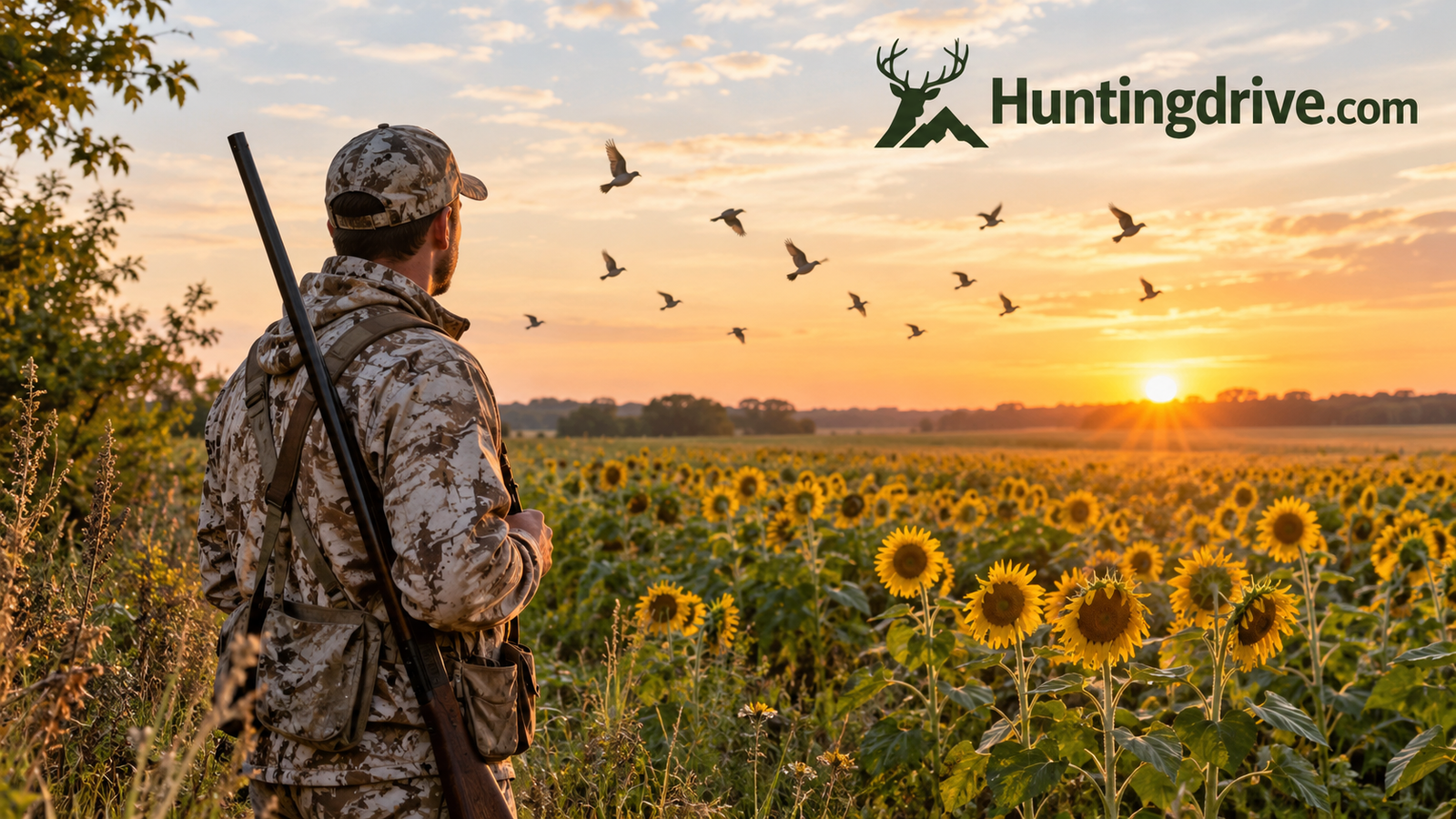
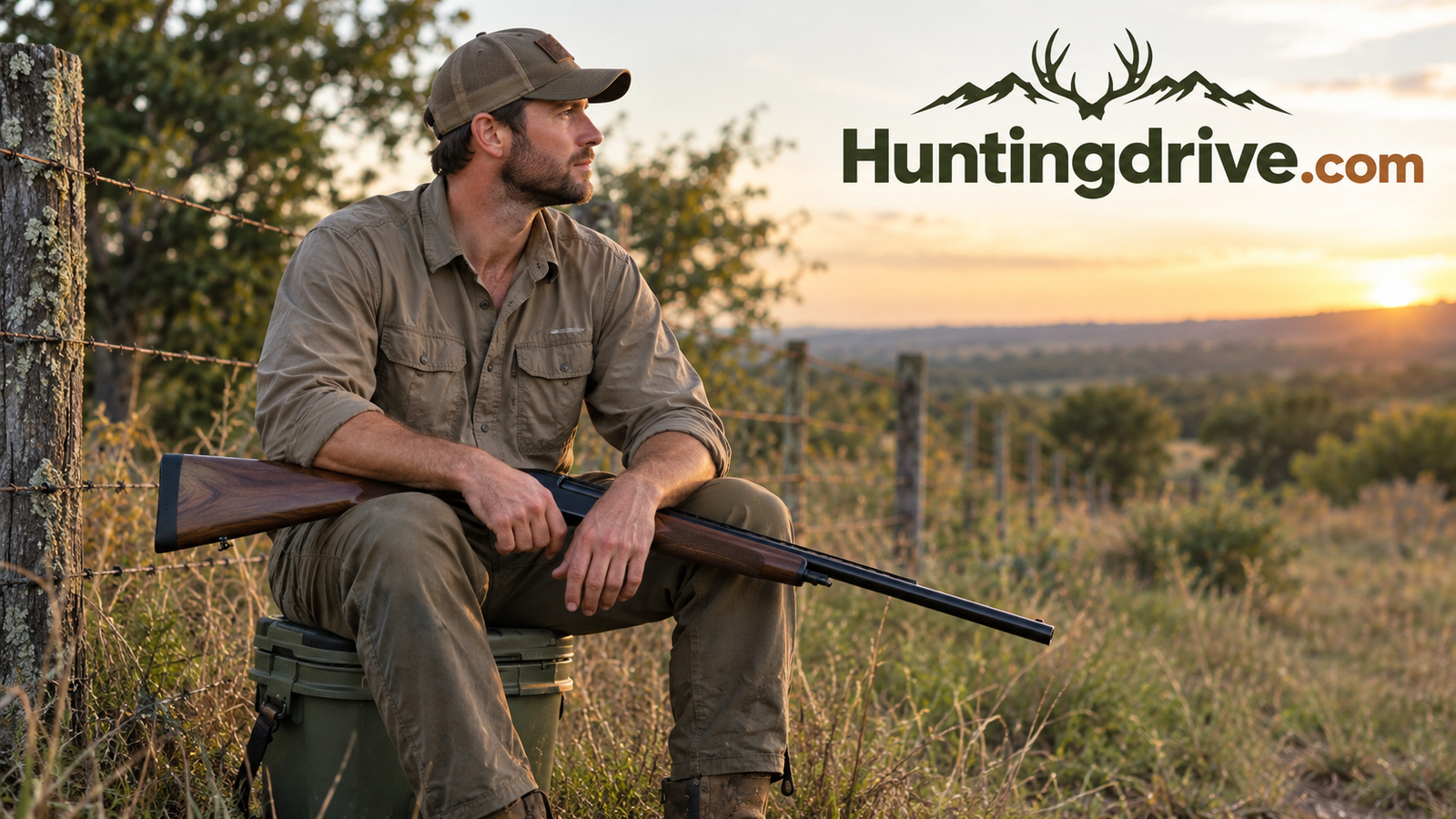
Ask a dozen dove hunters what they wear and you will get a dozen answers. Some show up in full camouflage, others in jeans and a faded T-shirt, and a few look like they just stepped off a golf course. Surprisingly, many of them still shoot limits. That is because doves are not turkeys or deer. They do not have the same laser-sharp response to a human silhouette sitting a few yards away, and they are fast-moving birds that are often making quick decisions in flight.
That said, clothing still plays three important roles. First, it controls your comfort. Dove season usually opens when the weather is still hot in many regions, and you are often sitting in open fields with little shade for hours. Second, it affects concealment. Doves can flare off a bright white shirt or a head that pops up and down at the wrong moment, and a hunter who blends into a fence row or a dead tree will simply see more birds come into range. Third, it affects safety and function, from sun exposure and insects to how easily you can mount a shotgun without snagging a sleeve.
The three goals of a good dove outfit
- Stay comfortable: Manage heat, sweat, wind, and sudden temperature drops so you can stay in the field and keep your focus on shooting.
- Stay hidden enough: You do not need to disappear, but you do need to break up your outline and avoid anything shiny or bright white.
- Stay functional: Your clothes should let you swing a shotgun smoothly, carry shells, and move quietly when you retrieve downed birds.
Notice that none of those goals require expensive gear. A few smart choices in fabric, color, and layering will do more for your day than any single piece of high-end equipment. The rest of this guide breaks those choices down one at a time.
Ready to build your dove hunting outfit? Browse a wide selection of hunting clothing in one place.
Check Price on Amazon2. Dove Hunting Conditions That Shape Your Outfit
Before you pick a single piece of clothing, think about where and when you will be hunting. Dove hunting is unusual because it covers such a huge range of conditions. In many southern and western states, the season opens in early fall when daytime heat can be intense. In northern states, the opener may feel more like a crisp autumn morning. Later splits in the season can bring frost, wind, and rain. The same hunter might need three totally different outfits across a single season.
Where you will be sitting
Most dove hunting happens around food, water, and roosting or flight paths. That means harvested grain fields, sunflower fields, millet plots, stock ponds, fence lines, power lines, and dead trees that make natural perches. Each setting asks something different from your clothing. A cut sunflower field has dry stalks and hard stubble that can poke through thin pants. A pond edge may mean damp ground, mud, and mosquitoes. A fence line often brings barbed wire, burrs, and thorny brush.
Time of day matters
Doves tend to fly most actively in the morning as they leave their roosts to feed and in the afternoon and evening as they return to water and roost. Mornings can be surprisingly cool, even in warm regions, while afternoons often feel hotter than the thermometer suggests when you are sitting on open ground. Planning for both ends of the day means thinking in layers rather than a single outfit.
Quick reference: conditions and clothing
| Condition | Best Top | Best Bottom | Key Extras |
|---|---|---|---|
| Hot early season | Lightweight, long-sleeve, moisture-wicking shirt | Breathable lightweight pants or hunting shorts if brush is minimal | Wide-brim or ball cap, sunscreen, neck gaiter, plenty of water |
| Mild, mixed weather | Light shirt plus a packable overshirt | Medium-weight field pants | Thin gloves, ball cap, bug spray |
| Cold front or late season | Base layer, fleece or midlayer, windproof jacket | Insulated or lined pants | Warm hat, insulated gloves, warm socks |
| Wet or drizzly day | Quiet rain jacket over a synthetic layer | Water-resistant pants | Waterproof boots, brimmed hat |
| Brushy or thorny fields | Long sleeves in durable fabric | Tough, snag-resistant pants | Light leather or synthetic gloves |
Stock up on versatile layers that work from cool mornings to warm afternoons.
Check Price on Amazon3. Camouflage, Color, and Concealment
One of the biggest debates in dove hunting is how much camouflage you actually need. The honest answer is that you need less than you would for turkey or waterfowl, but more than nothing. Doves have excellent vision and will flare from movement and unnatural shapes, especially when they have been shot at repeatedly in a popular field.
Do you really need full camo?
Not usually. Many experienced dove hunters wear a simple earth-tone outfit in tan, olive, brown, or gray and rely on good positioning to do the concealing. If you are sitting against a tree, a fence post, or a thick line of weeds, a solid muted color often works just as well as a printed pattern. Camouflage becomes more valuable when you are in open terrain with little natural cover or when pressure from other hunters has made the birds wary.
Choosing a pattern for dove fields
If you do choose a pattern, think about what is behind you. Dove fields in the fall are usually a blend of tans, browns, faded greens, and gray wood. Patterns that lean toward brown and tan perform well in dry grain fields, while patterns with more green and gray work better along tree lines and creek bottoms. Open-style patterns that mimic grass and stalks tend to look natural against harvested crops.
Colors to avoid
- Bright white: It flashes in flat light and is visible from a long way off.
- Bright blue and red: These pop against dry fields and dull earth tones.
- Shiny or reflective materials: Glossy jackets and metallic zippers can catch sunlight at exactly the wrong moment.
- Large logos and high-contrast graphics: They break up your shape in a way that draws the eye rather than hiding it.
The face and hands problem
Many hunters forget that the most reflective parts of the body are often bare skin. A pale face tilted upward is highly visible to birds overhead. A ball cap with a dark or camouflaged brim, a light face covering, and thin gloves all help reduce that flash. You do not need to paint up like a duck hunter, but covering skin is a smart habit.
Pros of wearing camo
- Better concealment in open fields
- Helpful on pressured public land
- Easy to match to the terrain
Cons of wearing camo
- Can run hot in heavy fabrics
- Not necessary when you have natural cover
- Often costs more than basic earth-tone clothing
The bottom line is simple. Pick muted earth tones, skip anything bright, cover your skin, and use natural cover first. If you want to add camouflage on top of that, you will not hurt your chances. Just never let a camo pattern talk you into wearing heavy, hot fabric on a warm opening day.
Compare camouflage shirts, pants, and face coverings made for field use.
Check Price on Amazon4. Shirts and Base Layers
Your shirt is the piece of clothing you will think about most during a dove hunt, because it sits against your skin through the hottest and coldest parts of the day. Choosing the right fabric is more important than choosing the right pattern.
Fabric comparison
| Fabric | Comfort When Hot | Comfort When Cool | Notes |
|---|---|---|---|
| Synthetic moisture-wicking | Excellent | Good | Dries quickly and handles sweat well |
| Merino wool | Good | Excellent | Resists odor and stays warm even when damp |
| Lightweight cotton | Fair | Poor when damp | Comfortable at first but holds sweat |
| Heavy flannel | Poor | Good | Better for cold mornings than for early season |
Long sleeves vs short sleeves
This surprises many beginners, but long sleeves are often more comfortable than short sleeves on hot days. A lightweight, breathable long-sleeve shirt protects your arms from sun, biting insects, and scratchy stalks without trapping heat, especially when the fabric is designed to wick moisture. Short sleeves can work if you will be in shade or if you apply sunscreen carefully, but your forearms and neck take a beating when you are sitting still for hours.
Why cotton is a trap
Cotton feels soft and familiar, so many hunters grab a cotton T-shirt without thinking. The problem is that cotton absorbs sweat and holds it against your skin. On a hot afternoon, that leaves you feeling clammy. On a cool morning, it can leave you chilled when the wind picks up. If cotton is all you have, it will do for a short hunt, but a synthetic or wool blend is an easy upgrade.
Features worth looking for
- Lightweight, breathable fabric that moves moisture away from the skin
- Vented back or underarm panels for airflow
- Collar that can be flipped up to protect your neck from the sun
- Quiet fabric that does not swish when you raise your arms
- Sleeves cut generously enough to allow a smooth shotgun mount
Find breathable, moisture-wicking hunting shirts and base layers.
Check Price on Amazon5. Pants, Shorts, and Lower Body Choices
Pants are where practicality really matters. You will be walking through stubble, ducking under fences, kneeling to pick up birds, and sometimes pushing through weeds and burrs. Your lower body clothing needs to be tough enough for the field but light enough to avoid cooking you in warm weather.
Lightweight hunting pants
For most early-season hunts, lightweight field pants in a quick-drying fabric are the best all-around choice. They protect your legs from stalks, thorns, and insects, and they often include useful pockets for shells, a phone, and a call or small tool. Look for a relaxed fit through the thigh so you can sit on a bucket or the ground without binding, and a bit of stretch for climbing over fences.
Can you wear jeans?
Jeans are a common sight in dove fields, and they will get the job done in a pinch. They are durable and snag-resistant, which is nice around barbed wire. The downside is that heavy denim holds heat and moisture, dries slowly, and feels stiff when you swing a shotgun. For a cool morning hunt they are perfectly acceptable. For a hot afternoon, they are likely to leave you uncomfortable.
When shorts make sense
Some southern hunters wear hunting shorts in the hottest part of the season, particularly when sitting at a pond edge or in a cut field with little brush. Shorts are cooler, but they expose your legs to sun, ticks, chiggers, mosquitoes, and thorny plants. If you wear them, apply sunscreen and insect repellent carefully and skip them entirely in brushy or tick-heavy areas.
Pants advantages
- Protect against bugs, sun, and brush
- Offer pockets and durability
- Work from early morning to evening
Shorts advantages and drawbacks
- Cooler in extreme heat
- Leave legs exposed to ticks and thorns
- Require extra sun and bug protection
Belts, waistbands, and pockets
A comfortable waistband matters more than you might expect. A tight, stiff waist becomes irritating after hours of sitting, and a belt buckle that digs into your stomach can ruin your focus. Choose a waistband with some give, and consider pants with cargo pockets that hold a few boxes of shells without bouncing around when you walk.
Shop lightweight, durable hunting pants built for long days in the field.
Check Price on Amazon6. Hats, Face Coverings, and Eye Protection
Your head and face are the most important areas for both concealment and comfort. Birds overhead see your face first, and the sun beats down on it hardest. A smart combination of headwear and eye protection will keep you comfortable, hidden, and safe.
Hats: ball cap or wide brim?
A simple ball cap is the standard choice and works well for most hunters. The brim shades your eyes and helps you track doves against a bright sky, and a darker or camouflaged cap blends into the field. In intense sun, a wide-brim hat gives you more shade for your ears and neck, though a floppy brim can interfere with your gun mount if it is too wide. A breathable fabric with a sweatband is far more comfortable than a thick, hot cap.
Face coverings and neck gaiters
A lightweight neck gaiter or face mask is one of the best upgrades you can make. It protects your skin from sun, hides your face from birds, and can be pulled down when you need to take a drink or talk. Choose a thin, breathable fabric so you are not overheating. In cooler weather, the same gaiter adds warmth around your neck.
Shooting glasses are not optional
Eye protection is a must for every shotgun hunter. Shot can ricochet, and falling pellets from other hunters in a busy field are a real concern. Shatter-resistant shooting glasses protect your eyes from stray shot, dust, flying debris, and the occasional branch. Many hunters choose lenses with a tint that helps in bright sun, such as amber or gray, and a lighter lens for dawn and dusk.
- Amber or yellow lenses: Boost contrast in low or flat light, ideal for early morning and evening flights.
- Gray or smoke lenses: Reduce glare on bright, sunny afternoons.
- Clear lenses: A solid option for dawn, dusk, and overcast days.
Hearing protection
Dove hunting involves a lot of shooting, often in close proximity to other hunters. Repeated gunshots can cause permanent hearing damage over time. Foam plugs, earmuffs, or electronic hearing protection that amplifies quiet sounds while blocking loud ones all work. Many hunters prefer electronic options because they can still hear conversation and the whistle of wings.
Protect your eyes and ears with dedicated shooting glasses and hearing protection.
Check Price on Amazon7. Boots and Socks for Dove Fields
Foot comfort is easy to overlook until you are standing in a field with sore, damp feet. Dove hunting involves a mix of sitting still and short bursts of walking, so your footwear needs to handle uneven ground without being heavy or hot.
Choosing the right boot
Lightweight hunting boots or sturdy field shoes are the best bet for most dove hunts. They protect your ankles on rough stubble, offer grip on dry ground and mud, and stay comfortable through a long day. Heavy insulated boots are overkill in warm weather and will cook your feet. If you are shopping for something that stays comfortable while you walk fields all day, our guide to the best lightweight hunting boots is a helpful place to start.
Boot types compared
| Footwear | Best For | Watch Out For |
|---|---|---|
| Lightweight field boots | Most dove hunts, warm to mild weather | Less warmth on very cold mornings |
| Rubber boots | Pond edges, mud, wet fields | Can run hot and feel less supportive on long walks |
| Waterproof leather boots | Mixed or damp conditions | May feel heavy in hot weather |
| Trail shoes or sturdy sneakers | Short, dry hunts on flat ground | Little ankle support and thin soles in stubble |
Why socks matter
A good sock turns an average boot into a comfortable one. Moisture-wicking synthetic or merino wool socks keep sweat away from your skin, reduce blisters, and regulate temperature. Cotton socks hold moisture and rub, so they are best avoided. For warm days, a lightweight crew or mid-calf sock is usually enough. For cold mornings, a medium-weight wool sock gives extra warmth. Our roundup of the best hunting socks goes deeper on the options.
Look for comfortable boots and moisture-wicking socks made for long days on your feet.
Check Price on Amazon8. Gloves and Hand Protection
Gloves might seem unnecessary on a warm dove hunt, but thin gloves are one of the most underrated pieces of gear for this sport. They help with concealment, grip, and comfort, and they keep your hands clean and protected.
Why wear gloves in warm weather?
Bare hands are bright against dry fields and move constantly as you shoulder a shotgun, reload, and wave birds in. A thin, light-colored or camouflaged glove hides that movement. It also protects against sunburn on the backs of your hands, scrapes from fences, and stickers or burrs when you retrieve birds from weedy cover.
What to look for
- Thin fabric: You need to feel the safety, trigger guard, and shells.
- Breathable material: Hot hands become slippery and uncomfortable.
- Textured palms: Good grip helps with fence climbing and gun handling.
- Fingertip dexterity: Some hunters prefer fingerless or flip-back designs for loading shells.
Cold-weather options
When a cold front rolls in, switch to a warmer glove or glove-and-liner combo. Look for a style that still lets you manage the trigger safely. Insulated gloves with a trigger-finger design are common among hunters who stay out through the evening cool-down. For a deeper dive, check out our guide to the best hunting gloves.
Thin gloves: pros
- Hide hand movement
- Protect from sun and scrapes
- Improve grip on a slick gun
Thin gloves: cons
- Can feel warm on hot days
- Reduce some fine feel
- Need to fit well to avoid bunching
Pick up a pair of lightweight shooting gloves that keep your hands covered and grippy.
Check Price on Amazon9. Cold Fronts, Late Season Hunts, and Layering
Weather swings are part of dove hunting. A season that starts in shirt sleeves can finish with frost on the stubble, and a single cold front can drop temperatures dramatically in hours. Learning how to layer is the secret to staying comfortable through all of it.
The three-layer system
The classic approach uses a base layer, a middle layer, and an outer layer, each doing a different job.
- Base layer: A snug, moisture-wicking shirt, such as synthetic or merino wool, that pulls sweat away from your skin.
- Mid layer: A fleece, light puffy jacket, or wool sweater that traps warm air. This is the layer you add or remove as temperatures shift.
- Outer layer: A wind-resistant or water-resistant shell that blocks the elements without making noise every time you move.
Quiet outer layers
Noisy, crinkly rain jackets are a poor fit for hunting, even for doves. Choose a soft-shell or quiet-fabric jacket that does not swish when you raise your arms. It also should not restrict your shoulders, since a restrictive jacket makes it harder to mount a shotgun smoothly.
Do not forget your extremities
Hands, feet, and head lose warmth quickly. A warm beanie, insulated gloves, and a wool sock can make a huge difference. A neck gaiter can seal gaps around your collar and add instant warmth when the wind picks up.
Rain and damp mornings
Light rain does not stop dove flights, and sometimes it even improves them. A lightweight rain shell packs down small and lets you keep hunting. Pair it with a brimmed hat to keep water out of your face. If the day starts cool and heats up, pack the shell in a game bag or backpack so you can swap in and out quickly.
Add a quiet jacket or fleece mid layer for cooler mornings and late season hunts.
Check Price on Amazon10. Vests, Belts, and Carrying Gear
What you wear is only half of the equation. How you carry your shells, birds, water, and accessories also influences comfort and efficiency throughout the day. A good setup means less walking back to the truck and fewer distractions.
Shell carrying options
Dove hunters go through plenty of ammunition, so convenient shell storage matters. Common choices include shell pouches, belt-mounted holders, vests with large pockets, and cargo pants pockets. Pick the option that keeps shells easily reachable without clanking or bouncing.
Dove vests
A lightweight hunting vest is one of the most popular pieces of gear for this sport. Many include a shell pocket at the front, a game pouch at the back for carrying birds, and a spot to hang a dove decoy or small tool. Look for breathable mesh panels and a comfortable shoulder fit that does not snag your gun mount. Choose a vest that fits over a thin shirt without feeling bulky.
Belts and pouches
If a vest feels too hot, a simple belt pouch or shell bag can do the same job with less coverage. Belt-style carriers keep weight on your hips rather than your shoulders, which many hunters find more comfortable on long walks.
Bucket seats and cushions
Dove hunting involves lots of sitting, and your back and legs will thank you for a proper seat. A bucket seat with a padded lid stores shells and water and keeps you off damp ground. Foldable stools and cushions are lighter alternatives. They all help you stay comfortable and alert, which means better shooting.
Other useful items
- A small backpack or sling pack for water, snacks, and spare layers
- A lightweight game bag or cooler for keeping birds in good condition
- A retrieval tool or simple stick for pulling birds out of thick cover
- A folding chair or camo netting for added concealment
If you hunt a variety of game, many of the same carrying systems work across seasons. For example, upland hunters often use similar vests, and you can learn more about that style of hunting in our explainer on what is upland hunting.
Compare dove vests, shell pouches, and bucket seats to carry your gear in comfort.
Check Price on Amazon11. Heat, Sun, Bugs, and Field Safety
Early-season dove hunting can be hard on the body. Hot weather, direct sun, and long periods of sitting make it easy to underestimate how much stress you are under. A few smart habits will keep you safe and sharp.
Beat the heat
Heat illness is a real risk, and it can sneak up on you in open fields. Dress in light, breathable fabrics, take breaks in shade when you can, and drink water regularly rather than waiting until you feel thirsty. Wet a neck gaiter or bandana to cool your skin on very hot days. If you start to feel dizzy, nauseated, or unusually tired, stop hunting, cool off, and hydrate right away.
Sun protection
Hours of direct sun add up quickly. Use sunscreen on exposed skin, including the backs of your hands, ears, and neck. Wear a hat, use sun-protective clothing where possible, and consider a lip balm with sun protection. Polarized or tinted shooting glasses cut glare and help you track birds.
Insects and ticks
Early-season fields can be buzzing with mosquitoes, gnats, flies, and ticks. Insect repellent applied to skin and clothing helps, and so does tucking pant legs into socks or boots when you expect ticks. Check yourself carefully after the hunt, especially around the waistband, behind knees, and along the hairline.
Hunter orange and local rules
Requirements for hunter orange vary by state and by property. Some public lands ask hunters to wear a certain amount of orange when other game seasons are open, while many places do not require it for dove hunting. Always check current regulations for the specific area you plan to hunt. Wearing a bit of orange, such as a cap or vest, can be a smart safety measure in a crowded field even where it is optional.
Shot, firearm safety, and field etiquette
Know your shot requirements, as some public areas require non-toxic shot. Always keep your muzzle pointed in a safe direction, keep your finger off the trigger until you are ready to shoot, and be aware of where other hunters are sitting. Dove fields are often crowded, so clear communication and awareness of safe zones of fire are critical. If you are hunting with newer shooters, make sure they feel comfortable and understand the ground rules before the first bird flies.
Get sun protection, insect repellent, and hydration gear before opening day.
Check Price on Amazon12. Common Mistakes and a Complete Dove Hunting Checklist
Even experienced hunters make clothing mistakes. Knowing the most common ones helps you avoid them and build a better setup over time.
Mistakes to avoid
- Wearing heavy camo in hot weather: Comfort suffers, and concealment is not worth heat exhaustion.
- Choosing bright or white clothing: It flashes in the field and spooks incoming birds.
- Skipping eye and ear protection: This is a safety issue and not a place to cut corners.
- Wearing new boots on opening day: Blisters can ruin a hunt before it starts.
- Ignoring the sun: Sunburn and heat fatigue build up faster than you expect.
- Wearing cotton in changing weather: It holds sweat and gets cold fast.
- Forgetting to plan for the walk out: Carrying birds, a seat, and shells requires a setup that does not wear you down.
- Overlooking local rules: Check hunter orange and shot requirements before you head out.
Complete dove hunting clothing checklist
| Category | Warm Weather | Cool Weather |
|---|---|---|
| Shirt | Lightweight, breathable long sleeve | Base layer plus fleece or wool |
| Pants | Lightweight field pants | Medium or lined pants |
| Headwear | Ball cap or wide brim, neck gaiter | Warm cap or beanie, gaiter |
| Eyes and ears | Shooting glasses, hearing protection | Shooting glasses, hearing protection |
| Hands | Thin shooting gloves | Insulated or lined gloves |
| Footwear | Lightweight boots, moisture-wicking socks | Warmer boots, wool socks |
| Carry gear | Vest or shell pouch, bucket seat | Vest or pouch, jacket, seat |
| Extras | Sunscreen, bug spray, extra water | Extra layer, hand warmers if needed |
Putting it all together
A sample warm-weather outfit might include a lightweight long-sleeve shirt in tan or olive, breathable field pants, a camouflaged or earth-tone ball cap, a thin neck gaiter, shooting glasses, thin gloves, lightweight boots, and a vest with a shell pocket. A cool-weather outfit swaps in a base layer, a fleece, a quiet jacket, a warm hat, insulated gloves, and warmer socks. Both setups follow the same logic: stay comfortable, stay hidden enough, and stay functional.
Once your clothing is dialed in, the next step is knowing when to hunt. If you also chase other game, our guides on when deer season opens and what choke to use for duck hunting can help you plan the rest of your fall.
Round out your kit with a few smart accessories before you head to the field.
Check Price on AmazonFrequently Asked Questions About What to Wear Dove Hunting
Do you need to wear camouflage for dove hunting?
No, full camouflage is not required. Muted earth tones like tan, olive, brown, and gray work well, especially when you sit against natural cover. Camo helps in open fields and on pressured public land, but comfort and a broken-up outline matter more than a specific pattern.
What color should you wear dove hunting?
Choose earth tones that match the field, such as tan, khaki, olive, brown, and gray. Avoid bright white, bright blue, red, and anything shiny, since those colors stand out and can cause doves to flare away from your position.
Is it better to wear long sleeves or short sleeves?
Lightweight long sleeves are often more comfortable, even in warm weather. They protect your arms from sun, insects, and rough vegetation. Short sleeves can work in shade or cooler weather, but you will need sunscreen and bug protection on exposed skin.
Can you wear jeans dove hunting?
Yes, jeans are fine for cool mornings and short hunts, and they stand up well to fences and brush. They run hot and dry slowly, so lightweight field pants are usually a better choice for warm early-season hunts.
What shoes or boots are best for dove hunting?
Lightweight, comfortable boots with good traction are ideal for most dove hunts. They protect your ankles on rough ground and stay cool in warm weather. Use rubber boots near ponds and mud, and warmer boots when cold fronts arrive.
Do you need gloves for dove hunting?
Gloves are not required, but thin shooting gloves are a smart addition. They hide hand movement, improve grip, and protect your skin from sun, scrapes, and burrs. In cold weather, switch to warmer, insulated gloves that still let you operate the gun safely.
Do you have to wear hunter orange for dove hunting?
It depends on your state and the specific property. Many places do not require orange for dove hunting, but some public lands do when other seasons are open. Always check local regulations, and consider wearing a bit of orange for visibility in crowded fields.
What should you wear on a hot opening day?
Wear lightweight, breathable, moisture-wicking clothing in earth tones. A long-sleeve shirt, light pants, a ball cap or wide-brim hat, thin gloves, and a neck gaiter keep you cool and covered. Bring plenty of water and take breaks in shade when possible.
What should you wear for a cold-weather dove hunt?
Use a layering system with a moisture-wicking base layer, a fleece or wool mid layer, and a quiet wind-resistant jacket. Add a warm hat, insulated gloves, and wool socks. Choose layers you can remove if the afternoon warms up.
Do you need eye and ear protection for dove hunting?
Yes. Shooting glasses protect your eyes from stray shot, dust, and debris, and hearing protection guards against permanent damage from repeated gunshots. Both are essential for every shotgun hunter and should be considered standard gear.
How do you stay cool while dove hunting?
Wear breathable, light-colored earth-tone clothing, stay hydrated, and seek shade when possible. A damp neck gaiter or bandana helps cool your skin, and a wide-brim hat blocks direct sun. Stop hunting immediately if you feel dizzy or sick.
How do you protect yourself from bugs while dove hunting?
Apply insect repellent to skin and clothing, wear long sleeves and pants, and tuck pant legs into socks or boots in tick-heavy areas. After the hunt, check your body carefully for ticks, especially around the waist, behind the knees, and along the hairline.
Conclusion: Dress for Comfort, Concealment, and Confidence
Knowing what to wear dove hunting comes down to a few simple principles. Choose breathable, moisture-wicking fabrics that match the weather. Stick with muted earth tones and avoid bright colors and shiny materials. Cover your skin to protect it from sun, bugs, and brush, and never skip your eye and hearing protection. Layer smartly for cool mornings and cold fronts, and build a carrying system that keeps your shells and birds organized without wearing you out.
Do all of that, and you will spend less time worrying about your gear and more time enjoying the best part of the sport, watching those fast, twisting birds come in over the field and learning from every shot. Good clothing will not make you a better wingshooter on its own, but it will keep you in the field longer, make you more comfortable, and help you stay focused when it matters most.
Put your outfit together before opening day, try it on with your shotgun to make sure you can mount smoothly, and head out ready for a great season.
Ready to gear up for the season? Start building your dove hunting outfit today.
Check Price on Amazon