
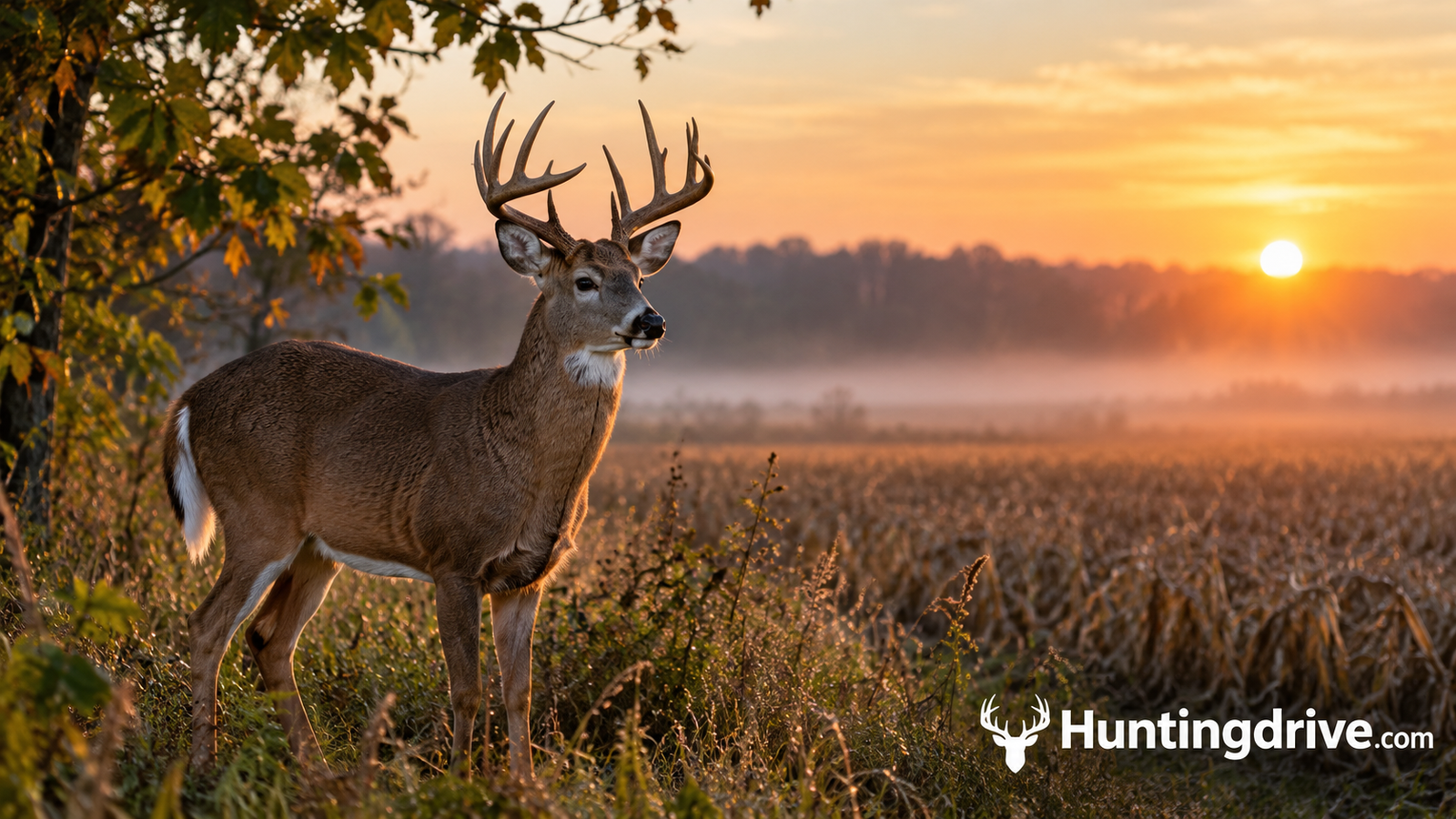
Best Deer Hunting Times: When to Be in the Stand for the Best Chance at a Mature Buck
Ask ten experienced deer hunters when the best time to hunt is and you will get ten confident answers, and most of them will contradict one another. One swears by the first hour of light. Another hasn’t climbed down from the stand at noon in years. A third says nothing matters except the second week of November. The truth is that they are all partly right, because deer do not run on a single clock. Their movement is shaped by daylight, season, breeding cycles, weather, food, and above all by how much pressure they feel from people. The best deer hunting times are the places where those forces line up in your favor.
This guide breaks the question into layers. We start with the daily rhythm of a whitetail, then move through the whole season: early season patterns, the build-up to the rut, the rut itself, the quiet after it, and the cold, hungry weeks at the end. Along the way we look at moon phases, wind, barometric pressure, scouting, and the gear that lets you actually stay in position when the good hours arrive. If you are still working out where seasons open in your state, start with our guide on when deer hunting season starts, then come back here to decide when within that season to spend your limited time off.
A quick note on how to read this article. Everything here is general guidance drawn from how whitetails commonly behave across much of North America. Mule deer, blacktails and southern whitetails differ in the details, and local regulations decide which weapons are legal and when. Treat these patterns as a starting point, then let your own observations on your own ground overrule them.
Quick Comparison: Our Top Picks
Since there are no products to rank in a timing guide, here is the comparison that matters: the best windows to hunt, side by side. Use it as a cheat sheet, and read the matching section for the reasoning behind each row.
Swipe to see more →
| # | Time Window | Best For | What Deer Are Doing | Our Verdict | Gear To Check |
|---|---|---|---|---|---|
| 1 | Peak seeking and chasing phase of the rutTop Pick | Best Overall for Mature Bucks | Bucks cruise widely, check doe groups, and move at odd hours | The highest-odds days of the year, so protect that time off | Check Price on Amazon |
| 2 | Pre-rut | Best for Patterning Bucks | Scrapes and rubs appear, bucks begin to roam but still follow routines | Great mix of activity and predictability | Check Price on Amazon |
| 3 | First and last hour of light | Best Daily Window | Deer travel between bedding and feeding | Reliable on almost any day of the season | Check Price on Amazon |
| 4 | Late season afternoons | Best for Food Plot Hunters | Deer feed hard to rebuild energy in cold weather | Strong, simple, and often overlooked | Check Price on Amazon |
| 5 | Midday during the rut | Best Sleeper Window | Bucks keep searching while most hunters have gone home | The reward for those willing to sit all day | Check Price on Amazon |
| 6 | Post-rut and second rut | Best for Patient Hunters | Bucks are tired and low on reserves, then chase late-cycling does | Quiet, but real opportunities exist | Check Price on Amazon |
| 7 | Early season evenings | Best Easy Start | Deer follow summer feeding patterns around fields and mast | Predictable, but warm weather and bugs can limit movement | Check Price on Amazon |
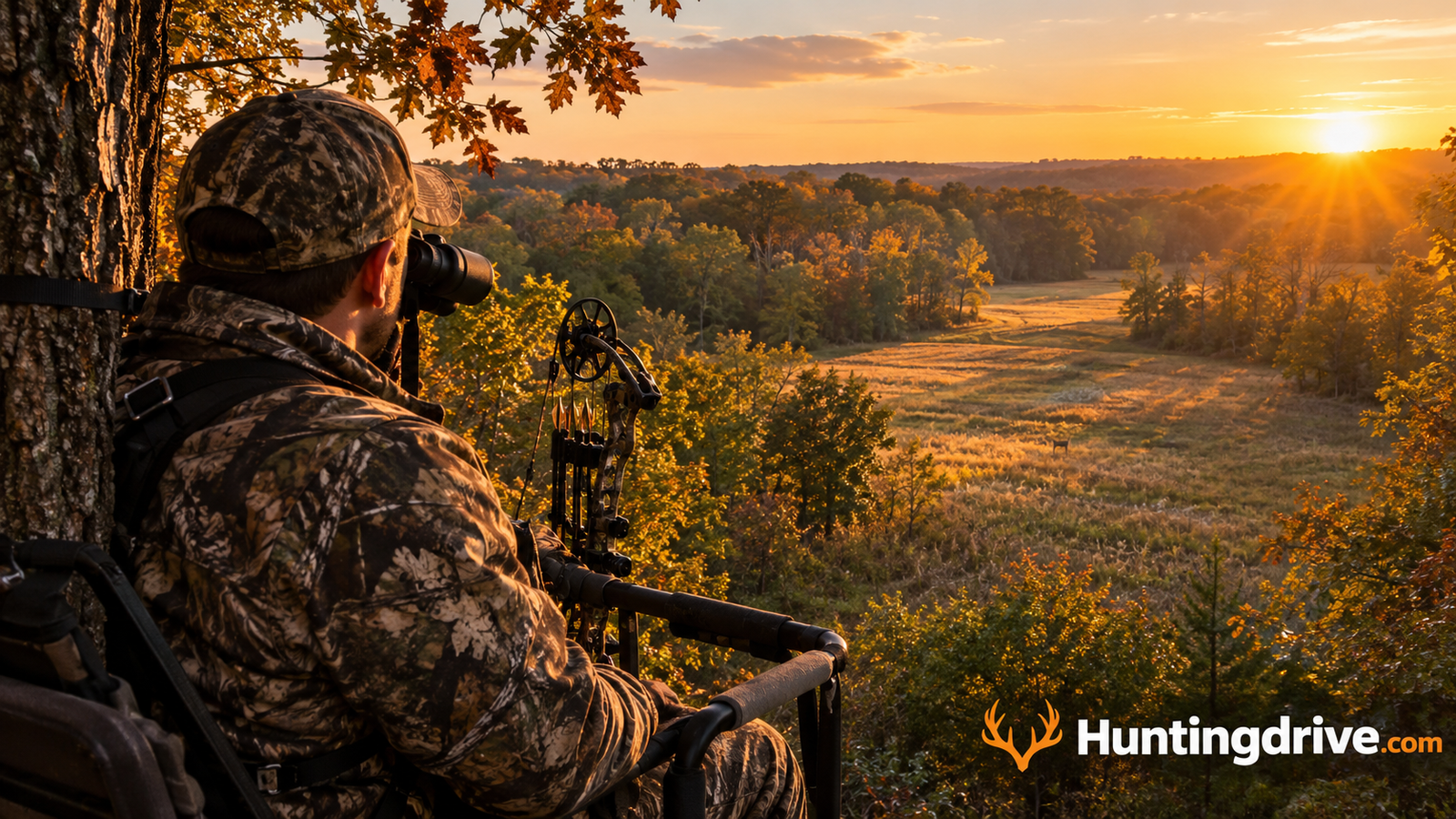
1. Why Timing Matters More Than Almost Anything
A deer’s life is built around three needs: food, safety and, for part of the year, breeding. Every movement you see, or fail to see, comes from the balance between those needs. When food is abundant and the weather is mild, a mature buck can meet nearly all of his needs in the dark and spend daylight hours tucked into thick cover. When the weather turns cold, food gets scarce, or breeding season pulls him out of his routine, he is forced to move when he otherwise would not. Good hunters watch for the moments when that balance tips.
That is why timing beats almost every other variable you can control. A perfect stand location is worth little if you sit it during a hot, windless afternoon in the middle of the early season. An average location can be excellent on a cold front morning in the middle of the pre-rut. Gear matters, shooting skill matters, scent control matters, but they all pay off only if you are in the right place when deer decide to move.
The Three Layers of Timing
It helps to think of deer hunting times in three nested layers. The widest layer is the season: early season, pre-rut, rut, post-rut and late season. Inside each of those phases is the weather layer, which includes temperature swings, wind, precipitation and barometric pressure. Inside that is the daily layer, the hour-by-hour rhythm of dawn, midday and dusk. Your best hunts happen when all three layers agree. A cold front arriving during the seeking phase of the rut, with a light wind and a rising barometer, will beat nearly any other setup you can find.
Why There Is No Single Best Time
Anyone who offers one universal answer is selling something. The best hunting time in a northern farm country state with a short, intense rut is not the best time in a southern state where breeding is spread across many weeks. A hunter with weekends only has different priorities than a hunter who can take two weeks off. Your goal also matters: tagging any legal deer for the freezer is a different problem than holding out for a mature buck. We will point out these differences throughout so you can adapt the advice to your own situation.
If you are brand new, spend some time with our beginner’s primer on how to get into hunting before worrying about fine-tuning your timing. Learning the basics of safe stand hunting, field care and regulations comes first, and the time-of-year strategy layers on top.
Start your season prepared with a quality set of binoculars so you can glass fields and edges from a distance without spooking deer.
Check Price on Amazon2. Dawn, Dusk and the Daily Rhythm
Deer are crepuscular, which simply means they are most active around twilight. Their eyes and bodies are built for low light, and the edges of the day offer the best combination of cover, cooler temperatures and feeding opportunity. For most of the season, the first hour or two after sunrise and the last hour or two before sunset are the highest-percentage windows on any given day.
Morning Movement
Morning hunts are often about intercepting deer on their way back to bedding. After feeding overnight, deer drift toward thick cover, ridges, benches or swamps where they feel safe for the day. Bucks in particular tend to end their night movement close to bedding areas, which makes them harder to catch in open fields at first light than does or young bucks. If you want to see a mature buck in the morning, set up closer to cover than to food, and be in your stand well before there is any visible light.
Entering the woods quietly is half the battle. Walk slowly, avoid crossing the trails deer will use, and keep your approach downwind of where you expect them to travel. A red-light headlamp helps you pick your way without blasting light across the woods. Many hunters also wear a lightweight pack so they can carry everything in one trip and avoid a noisy second walk.
Evening Movement
Evening hunts are usually about catching deer on their way to food. Does and young bucks often step out into fields, food plots and mast-heavy timber well before dark. Mature bucks tend to wait until the last minutes of legal light, sometimes stepping out only after shooting hours have ended. The closer your stand is to bedding cover and the more concealed the approach, the better your chance of seeing a mature buck while there is still light to shoot.
A good evening strategy is to set up along a staging area between bedding and the main food source. Staging areas are usually brushy edges, old fence lines or small openings where deer pause and check the area before stepping into the open. These spots give you a longer shooting window and a better chance to see a cautious buck.
Why the Edges of the Day Work
Low light gives deer a sense of security. They are less visible to predators, and the temperature is often more comfortable. Hunting pressure can reinforce this behavior, because heavily hunted deer learn that daylight movement in open terrain is dangerous. In areas with a lot of hunters, the first and last half hour of light often account for a large share of daylight sightings, and a mature buck may move only in that thin slice of time.
Staying comfortable at the edges of the day matters more than most people admit. Cold feet and numb fingers cause fidgeting, and fidgeting gets you busted. Good socks can be the difference between a two-hour sit and a five-hour sit. We have a full guide to the best hunting socks, and a matching one for the best hunting gloves if your hands are the first thing to give out.
A red-light headlamp lets you walk to your stand quietly without ruining your night vision or alerting deer.
Check Price on Amazon3. Midday: The Overlooked Window
Many hunters leave the woods around mid-morning, eat lunch, and come back for the evening hunt. That habit makes sense for comfort, but it leaves a window that is often very productive at certain times of year. Midday is not a bad time to hunt. It is a different time to hunt, and it rewards a different approach.
When Midday Works
The midday hours are most productive during the rut, when bucks are on their feet searching for does regardless of the clock. A buck that has been cruising for hours may pass through your area at ten, noon or two in the afternoon. Because fewer hunters are in the woods at that time, deer also feel less pressure and may be more willing to move in daylight. Midday can also be productive during cold snaps in the late season, when deer move to take advantage of the warmest part of the day.
Midday can also be good after a stretch of heavy rain or severe weather. Deer that stayed bedded during bad conditions often get up and feed when the weather clears, even if it is the middle of the day. Hunters who are already in position get the first shot at those movements.
When Midday Is a Waste
During hot, still early season days, midday movement is limited. Deer conserve energy, stay in the shade and wait for evening. The same is true on a bright, windless day during a stable weather pattern in the middle of the season. If you want to hunt midday in those conditions, focus on water sources or shaded bedding areas rather than open feeding spots.
How to Sit All Day Without Losing Your Mind
All-day sits are as much about comfort and discipline as they are about deer. Bring food and water that you can handle quietly, a comfortable seat, a cushion or pad, and layers that can be added or removed without noise. Keep your phone on silent, and give yourself small, quiet routines, like scanning in a set pattern every few minutes, so you stay alert. Boredom is the enemy of an all-day hunter, and alert hunters see deer that bored hunters miss.
Saddle hunting has become a popular way to stay mobile and comfortable throughout long days. If you are curious, read our overview of what saddle hunting is, because it can make it far easier to move in on a fresh set of trees in the middle of the day when conditions change.
A comfortable stand seat or cushion makes all-day sits much easier, especially during the rut when midday movement can pay off.
Check Price on Amazon4. Early Season Timing
The early season is the opening stretch of deer season, when weather is often warm, foliage is thick and deer are still following summer patterns. Bucks may still be in bachelor groups, and does and fawns are tied to reliable food sources. The best hunting times in this phase are narrow and predictable, which makes them both a gift and a challenge.
Evening Hunts Over Food
In the early season, evenings beat mornings for most hunters. Deer feed in the late afternoon and into the evening on agricultural fields, green food plots, soft mast like apples and early acorns, and any other high-value food. Setting up on the downwind edge of a food source, with a clear route in that does not cross where deer will enter, gives you a good chance of seeing deer in shooting light. Bucks in bachelor groups often show up in the same spot on a regular basis, which is why trail cameras are most valuable at this time of year.
Heat, Bugs and Foliage
Warm weather is the biggest limiter of early season movement. When it is hot, deer wait until the last possible minute to leave cover. Insects can also keep them moving or in the shade. Hunt cooler mornings and evenings, and look for the first cold front of the season. A drop in temperature of even a few degrees can trigger noticeably more daylight movement. Thick foliage also reduces your visibility, so trim shooting lanes well in advance and avoid noisy last-minute cutting right before the season.
Getting Your Setup Ready
Early season is also the time to fine-tune your gear. Check your sight pins, replace worn strings, and practice from your actual stand height. Bowhunters in particular should think carefully about arrow weight and broadhead choice, and our guide to the best arrows for deer hunting can help you decide. If you use a release aid, take a look at our roundup of the best thumb releases for hunting too, because smooth, consistent shots matter most when you only get one chance a season.
Pros of Early Season
- Deer follow predictable feeding patterns
- Comfortable weather for many hunters
- Less hunting pressure in many areas
- Good opportunities to observe bucks in groups
Cons of Early Season
- Heat and bugs limit deer movement
- Thick foliage reduces visibility
- Bucks are not yet influenced by breeding
- Deer can pattern you quickly if you educate them
Bugs can wreck an early season sit. A good insect repellent device keeps you still and focused while deer move into range.
Check Price on Amazon5. The Pre-Rut Window
The pre-rut is the period when bucks begin to shift from relaxed summer behavior to breeding mode. Testosterone rises, antlers harden, and bucks start to show their aggression. You begin to see more rubs and scrapes, and bucks begin to break up from their bachelor groups. This is one of the best times of the year to hunt, because bucks are more active but still follow somewhat predictable routines.
Scrapes, Rubs and Signposts
During the pre-rut, bucks communicate through scent and sign. Scrapes are patches of bare ground, often under an overhanging branch, where bucks urinate and leave scent. Rubs are trees where bucks strip bark with their antlers. Fresh sign tells you that a buck is using an area, and a line of rubs can reveal his travel route between bedding and feeding. Scrapes become more active as the rut approaches, and bucks often check them most at night, but a well-placed camera can reveal the daylight moments when they stop by.
Best Hours During the Pre-Rut
Evening is often better than morning in the early part of the pre-rut, as bucks still prefer to feed before dark. As the rut gets closer, daylight movement increases at all hours. Cold fronts are especially powerful at this stage, as they push bucks to feed and travel more. If you can get out on the first cold morning after a warm spell, take the opportunity.
Food still matters. Acorns, soybeans, corn and other high-energy sources draw does, and where does feed, bucks follow. A pre-rut buck is often looking for the first does coming into estrus, and field edges, funnels and staging areas become high-traffic zones. You can read more about interpreting sign and setting up near high-activity areas in our guide to the best trail cameras for deer hunting.
Hunting Tactics for the Pre-Rut
- Set up on trails between bedding and feeding areas with fresh rubs and scrapes
- Use mock scrapes and scent carefully and sparingly, keeping wind direction in mind
- Hunt cold, calm mornings and evenings with a light wind
- Keep pressure low by entering and exiting quietly and not overhunting a single stand
- Use trail cameras to confirm which bucks are using the area and at what hours
Set up your pre-rut observation network with a reliable trail camera so you can see which bucks are moving and when.
Check Price on Amazon6. The Rut: Seeking, Chasing, Lockdown
For most deer hunters, the rut is the main event. Bucks shed caution, cover ground quickly and chase does for days. It is the one stretch of the year when even a mature buck may walk through open timber at ten in the morning. But the rut is not one single phase. It breaks down into several stages, each with different best hunting times.
Seeking Phase
The seeking phase comes just before most does enter estrus. Bucks leave their core areas and travel widely, checking doe groups, scrapes and travel corridors. This is often considered the best time of the year to hunt a mature buck, because daytime movement increases dramatically. Funnels, saddles between ridges, field corners and the edges of doe bedding areas are prime ambush spots. Hunt all day if you can, because a buck may appear at any hour.
Chasing Phase
As does begin to enter estrus, bucks follow and chase them. You may see a buck trailing a doe through open woods at high speed. Chasing can happen at any time of day, but it often peaks in the morning and the afternoon. Bucks that are chasing are less cautious but also hard to stop. If you are bowhunting, you may need to use a grunt or bleat call to stop a moving buck within range. Keep in mind that wind still matters, as a buck following a doe may circle downwind to scent-check the area.
Lockdown
Lockdown is when a buck finds a doe in estrus and stays with her, often for a day or more. During lockdown, buck sightings can drop sharply, which frustrates many hunters. The buck is there, but he is hidden in a bedding area or thicket with the doe. Hunters can still find success by hunting thick cover, doe bedding areas and downwind edges where a buck might scent-check for other does. Lockdown is also the time when the chance of seeing a mature buck from a stand drops, so patience matters.
When Is the Rut?
The rut occurs at different times in different regions. In many northern areas, the peak seeking and chasing often falls in the middle of November. In the Deep South, breeding can occur in a much different window, sometimes as early as autumn or as late as the start of the new year. Local biologists, game agencies and long-time hunters can help you identify the typical timing in your area. The rut is triggered mainly by the amount of daylight, which means it happens at roughly the same time every year in a given region, regardless of weather. Weather affects how much of that activity happens during daylight, not when it starts.
Because the rut is so valuable, it is worth planning your vacation days in advance. Check your state’s season dates and weapon restrictions in our article on when deer hunting season is, and think about the type of buck you are after. Hunters seeking larger deer should also read about what trophy hunting involves to set realistic goals and ethical standards.
Rut Hunting Comparison
Swipe to see more →
| Phase | Buck Behavior | Best Hours | Best Setup |
|---|---|---|---|
| Seeking | Cruising widely, checking doe groups | All day, with strong mornings and midday | Funnels, saddles, doe bedding edges |
| Chasing | Trailing does, less cautious | Morning and afternoon, sometimes all day | Open timber, field edges, travel corridors |
| Lockdown | Staying with a doe in thick cover | Unpredictable, often midday | Thick bedding areas, downwind edges |
| Tending end | Bucks wander again as does leave estrus | Morning and evening | Food sources and travel routes |
Rut hunting often means long, cold sits. A quality climbing stand helps you stay mobile as you follow the action.
Check Price on Amazon7. Post-Rut and the Second Rut
After the peak breeding period ends, the woods go quiet. Bucks are worn down, have lost weight, and are often more interested in rest and food than in does. Hunters often call this the toughest part of the season, and for good reason. But those who adapt can still find good opportunities.
Post-Rut Behavior
Immediately after the rut, mature bucks often retreat into thick cover to recover. Their daylight movement drops, and when they do move, it tends to be short trips between bedding and high-energy food. If the weather is cold, bucks shift their focus to calorie-rich food such as standing corn, soybeans, acorns or brassicas. The best hunting times in the post-rut are late afternoons near food sources, especially after a cold front.
The Second Rut
Not every doe is bred during the primary rut. Does that were not bred, and young does that come into estrus later, may enter a second estrus cycle about a month after the first. This creates a smaller burst of breeding activity, often called the second rut. Bucks begin to move again, though at a more subdued level. Hunters who recognize this period can find unexpected daylight activity, especially around doe groups and food sources. If your state’s season is still open, it is worth getting out.
Hunting Tactics for the Post-Rut
- Focus on food sources, especially during cold weather
- Hunt the late afternoon and the last hour of light
- Look for bucks near thick bedding and south-facing slopes that catch winter sun
- Reduce pressure by hunting fewer stands, and rotate carefully
- Be patient, as movement may be limited, but a single mistake can empty a spot
Quiet, careful hunting also benefits from still hunting techniques in the right conditions, such as a damp, calm day when you can move slowly and keep the wind in your face. Our guide on what still hunting is explains how to do it without bumping every deer in the woods.
Post-rut hunts can require long walks and careful stalking. Comfortable, quiet boots make a real difference.
Check Price on Amazon8. Late Season Timing
The late season is about survival and calories. Winter is coming, natural food is running out, and deer have to eat enough to survive cold weather. This makes them more predictable, but also more careful, because they have been under hunting pressure for weeks. If you can find the food, you can find the deer.
Food Is King
In the late season, the best hunting times are often the last few hours of the afternoon, when deer move to feed before a cold night. Standing crops, food plots with brassicas or winter grains, remaining acorns and any high-energy supplemental sources draw deer from long distances. Bucks that have lost weight in the rut want to rebuild fat reserves, and they will take risks to do it, especially during cold or stormy weather. Consider hunting the edges of the field and the trails leading into it rather than the open middle.
Cold Fronts and Snow
A significant cold snap can trigger intense feeding. The hours just before a major storm and the hours after it passes are often the best of the late season. Snow can also help, as it makes deer easier to see and track and can concentrate them around remaining food sources. At the same time, snow makes noise, shows your tracks, and amplifies scent, so be careful with your approach.
Staying Warm Means Staying Longer
Late season hunting is a test of comfort. Your best sit may come in the last half hour of a freezing evening, and you will only see it if you can stay still that long. Invest in insulated bibs, a warm base layer, quality boots and good gloves. Our guide to the best lightweight hunting boots is a good place to start if you want warmth without bulk, and our look at the best hunting gloves covers your hands.
Pros of Late Season
- Deer concentrate on reliable food
- Cold fronts spark daylight feeding
- Leafless woods improve visibility
- Fewer hunters in the woods
Cons of Late Season
- Deer are wary after weeks of pressure
- Cold conditions are hard to endure
- Short days limit your window
- Movement can be limited to the last light
Stay out longer and see more deer with insulated gear built for cold evenings on stand.
Check Price on Amazon9. Moon Phases and Deer Movement
Few topics in deer hunting spark as much debate as the moon. Some hunters plan their entire season around lunar charts. Others dismiss the idea completely. The honest answer sits somewhere in the middle. The moon appears to influence when deer move during the day and night, but it is a lesser factor than season, weather and hunting pressure.
What the Moon Might Do
One common theory is that a bright full moon lets deer feed more at night, which can reduce daylight movement. On the flip side, a new moon, with dark nights, may push deer to feed more in the early morning and late evening. Another idea is that deer tend to move around moonrise and moonset, especially when those events fall near dawn or dusk, which can create a bump in activity at the edges of legal shooting hours.
The research and the anecdotes do not all agree, and individual deer vary. What many hunters find is that the moon is a useful tiebreaker. If you have two days available and everything else is equal, pick the one with a favorable moon. Do not skip a cold front in the middle of the rut because the moon is not ideal.
The Moon and the Rut
The timing of the rut is tied to daylight, and the moon may influence when does come into estrus relative to the new or full moon. Some hunters track the first full moon after the autumn equinox as a rough guide to when peak breeding may happen. This is a rule of thumb, not a guarantee, and local conditions often shift things. Use it as one piece of the puzzle alongside scouting and observation.
How to Use the Moon Without Overthinking It
- Pay attention to moonrise and moonset times, especially when they fall near dawn or dusk
- Keep a log of your sightings alongside moon phase to see patterns on your own ground
- Do not let the moon keep you home during the rut or a major cold front
- Use bright moon nights as a reason to hunt midday or hunt closer to bedding cover
Keep a simple hunting log or journal to track moon phase, weather and your sightings throughout the season.
Check Price on Amazon10. Weather, Wind and Pressure
Weather is the lever that most often turns a quiet day into an exciting one. Deer respond to changes in temperature, wind, precipitation and barometric pressure, and learning to read these signals helps you choose the best days to be in the woods.
Temperature Swings
Deer grow thick coats as winter approaches, which means a warm day in the middle of the season can feel oppressive to them. In warm conditions, they move less during the day and wait for the cool of the evening. The first big drop in temperature after warm weather tends to put deer on their feet. Look for cold fronts, and be in your stand before they arrive.
Wind
Wind affects how deer use their senses. Light to moderate wind is usually fine, and many hunters like it because it covers sound and scent. High wind can make deer nervous, because they cannot hear or smell predators as well, and they often bed in sheltered areas. On very windy days, hunt protected spots such as leeward ridges, valleys, thick timber and the downwind sides of hills.
The most important wind rule is the simplest: do not let the wind carry your scent to where you expect deer to appear. A great time on a poor wind is a bad hunt. Check the forecast, plan stand choices around prevailing and expected wind, and have a backup location for days when the wind changes.
Barometric Pressure
Many hunters watch the barometer. A falling barometer ahead of a storm often triggers feeding activity, and the hours just after the pressure begins to rise again can be strong, too. Stable, high pressure with clear skies can make for steady but unspectacular movement. Rapid changes tend to produce the most noticeable bursts, though the effect varies by region.
Rain, Snow and Fog
Light rain can be excellent, because it quiets your movement and dampens scent. Heavy rain can keep deer bedded. Once a storm clears, expect a burst of activity as deer feed and move to make up for lost time. Fog can help or hinder, depending on how thick it is. Moderate fog can make deer feel secure and encourage daylight movement. Dense fog reduces your visibility and shooting lanes.
Weather Quick Reference
Swipe to see more →
| Condition | Typical Deer Response | How To Hunt It |
|---|---|---|
| First cold front after warm weatherTop Pick | Increased feeding and daylight movement | Be in the stand early, hunt food and travel routes |
| Light rain or drizzle | Steady movement, quieter conditions | Stay mobile, use cover, keep gear dry |
| Heavy wind | Deer seek shelter, reduced movement | Hunt leeward ridges and thick timber |
| After a storm | Burst of feeding and travel | Hunt food sources as skies clear |
| Hot, still day | Minimal daylight movement | Hunt the last hour near water or shade |
If you have the chance to scout the right terrain and use the wind, even a day with mediocre weather can give you a shot. Equipment like a quality rangefinder helps you make confident decisions at the moment of truth, especially in low light or wind. Our guide to the best hunting rangefinders covers options for different budgets and shooting styles.
A simple wind checker helps you confirm which way your scent is drifting before every sit.
Check Price on Amazon11. Hunting Pressure, Scouting and Cameras
Even the perfect time on paper can fall apart if deer are under heavy pressure. Hunting pressure changes when deer move, where they move and how they use cover. Understanding your local pressure and scouting to find the quiet corners is a major part of choosing the best hunting times.
How Pressure Shifts Timing
On heavily hunted properties, mature bucks often become nocturnal. They may only move in the last minutes of light, in thick cover or in places hunters do not go. Opening weekend, holiday weekends and the first days of rifle season usually bring the heaviest pressure. If you can hunt on weekdays or during the quiet periods after the crowds leave, you may see deer move more freely.
Consider rotating your stands, hunting a small number of days in each location, and avoiding overhunting the best spots. Each time you enter the woods, you leave scent and sound. A stand you hunt only a few times a season, at the right wind and time, will often outperform one you sit every day.
Scouting for Timing
Scouting is not just about finding where deer are. It tells you when they use each area. Trail cameras provide a time stamp for each photo, which helps you build a picture of the daily and seasonal rhythm of the deer on your ground. Look for patterns: which bucks show up in daylight, which stands see activity in the morning versus the evening, and how those patterns change as the season progresses.
Post-season scouting is another useful tool. Walk the property when there is little pressure and no leaves, and look for bedding areas, trails and funnels. Hunters who also enjoy looking for antlers may like our guide on what shed hunting is, since late winter shed walks are a great way to learn how bucks used your property.
Using Cameras Wisely
- Place cameras on trails, scrapes and field edges, ideally in spots you can check with minimal intrusion
- Use cellular models to avoid walking in and disturbing deer
- Review time stamps to find the windows when mature bucks use each area
- Rotate or pull cameras if you suspect they are causing deer to avoid the spot
Quality trail cameras are one of the best ways to match your hunting schedule to the real movement on your property.
Check Price on Amazon12. Building Your Own Season Calendar
With all of this information, the final step is to turn it into a plan. A season calendar helps you use your time wisely, especially if you cannot hunt every day. The idea is simple: identify the best windows for your region, then match them with the days you can actually be in the woods.
Step One: Know Your Dates
Start with your state’s season dates for each weapon type. Archery seasons often open earlier and run longer than firearm seasons, which can give bowhunters access to early season, pre-rut and sometimes much of the rut. Gun and muzzleloader seasons may be shorter and aligned with the rut or late season. Check your local regulations for exact dates and rules.
Step Two: Mark the Rut
Add the typical timing of the seeking and chasing phases to your calendar, using local biologist reports, past trail camera data and your own notes. If you have limited vacation time, prioritize those days over the early season and the late season. Even a few days in the middle of the rut can be worth more than weeks at other times.
Step Three: Watch the Forecast
Once the season starts, check the forecast every few days. Highlight cold fronts, storms and clear, calm days. When a good weather window overlaps with a good seasonal window, treat it as a priority. Keep some flexibility in your schedule so you can respond to changes.
Step Four: Match the Stand to the Day
Different days call for different stands. Use food-based stands for evenings during the early and late seasons. Use funnels and doe bedding stands during the rut. Use thick-cover stands during pressure or in the post-rut. Keep notes after each hunt so you can refine your plan the following year.
Step Five: Be Ready for the Moment
Preparation counts as much as timing. Check your gear, confirm your sight-in and keep a safe, practiced approach to your stand. If you plan to try new techniques, such as saddle hunting or still hunting, practice before the season. Being comfortable and confident in your setup lets you stay focused when the best moment finally arrives.
Finish your season prep with a dependable pack and accessories to keep everything organized on stand.
Check Price on AmazonFrequently Asked Questions
What is the best time of day to hunt deer?
For most of the season, the first and last hour or two of daylight are the best bet, since deer move between bedding and feeding at the edges of the day. During the rut, bucks may move at any time, so midday can be just as productive.
What is the best time of year to hunt deer?
For many hunters, the seeking and chasing phases of the rut are the best opportunity, as bucks are on their feet and less cautious. The pre-rut is also excellent, because bucks are active but still follow routines.
Is it better to hunt deer in the morning or the evening?
It depends on the season. Evenings are often better in the early season, when deer feed in fields. Mornings can be excellent in the pre-rut and rut, when bucks travel back to bedding or search for does.
Do deer move more at midday?
They can during the rut and during cold weather, especially in the late season. On hot, still days or in the early season, midday movement is usually limited.
Does the moon really affect deer hunting?
It may influence when deer move, particularly around moonrise and moonset, but the effect is less reliable than season, weather and hunting pressure. Use it as a tiebreaker rather than a rule.
What weather is best for deer hunting?
A cold front after warm weather, light wind and the clearing period after a storm are often strong. Hot, still days and very high wind tend to limit movement.
When does the rut happen?
It varies by region. In many northern areas, peak activity falls around the middle of November, while southern states can see breeding at very different times. Check local biologist reports for your area.
Is the post-rut worth hunting?
Yes, if you adapt. Focus on food sources, cold weather and the last hour of light. A second rut can also produce a smaller burst of movement from bucks chasing late-cycling does.
How does hunting pressure affect the best times to hunt?
Pressure pushes mature bucks to move at the edges of the day or in thick cover. Hunting fewer days per stand, using good wind and entering quietly can help you stay below a buck’s radar.
How long should I sit in the stand?
During the rut, long sits can pay off, since bucks can show up at any hour. In other seasons, focus on the first and last hours of light and leave quietly after dark.
Do trail cameras help me choose the best hunting times?
Yes. Time stamps reveal when bucks use specific areas, and that information helps you decide when to hunt each stand.
Should beginners worry about timing?
Beginners should focus on safety, scouting and learning deer behavior first. Once you are comfortable, fine-tuning your timing around the rut and weather can improve your results.
Conclusion: Put Yourself in the Right Place at the Right Time
The best deer hunting times are not a single date or hour. They are a combination of season, weather and daily rhythm that tips deer into moving when you are ready. Dawn and dusk give you reliable windows through most of the year. The pre-rut offers a mix of activity and predictability. The rut, particularly the seeking and chasing phases, gives you the best chance at a mature buck, and midday sits during that stretch are often the sleeper advantage. The post-rut and late season reward patience, food-focused setups and the right gear to stay warm.
Above all, build your plan around what you see on your own ground. Use cameras, a journal and good scouting to learn when deer on your property actually move, and let that evidence guide you. Then back it up with comfortable, reliable gear so you can stay in position when the moment arrives.
Ready to gear up for the season? Browse hunting essentials and get set before the next cold front arrives.
Check Price on Amazon