
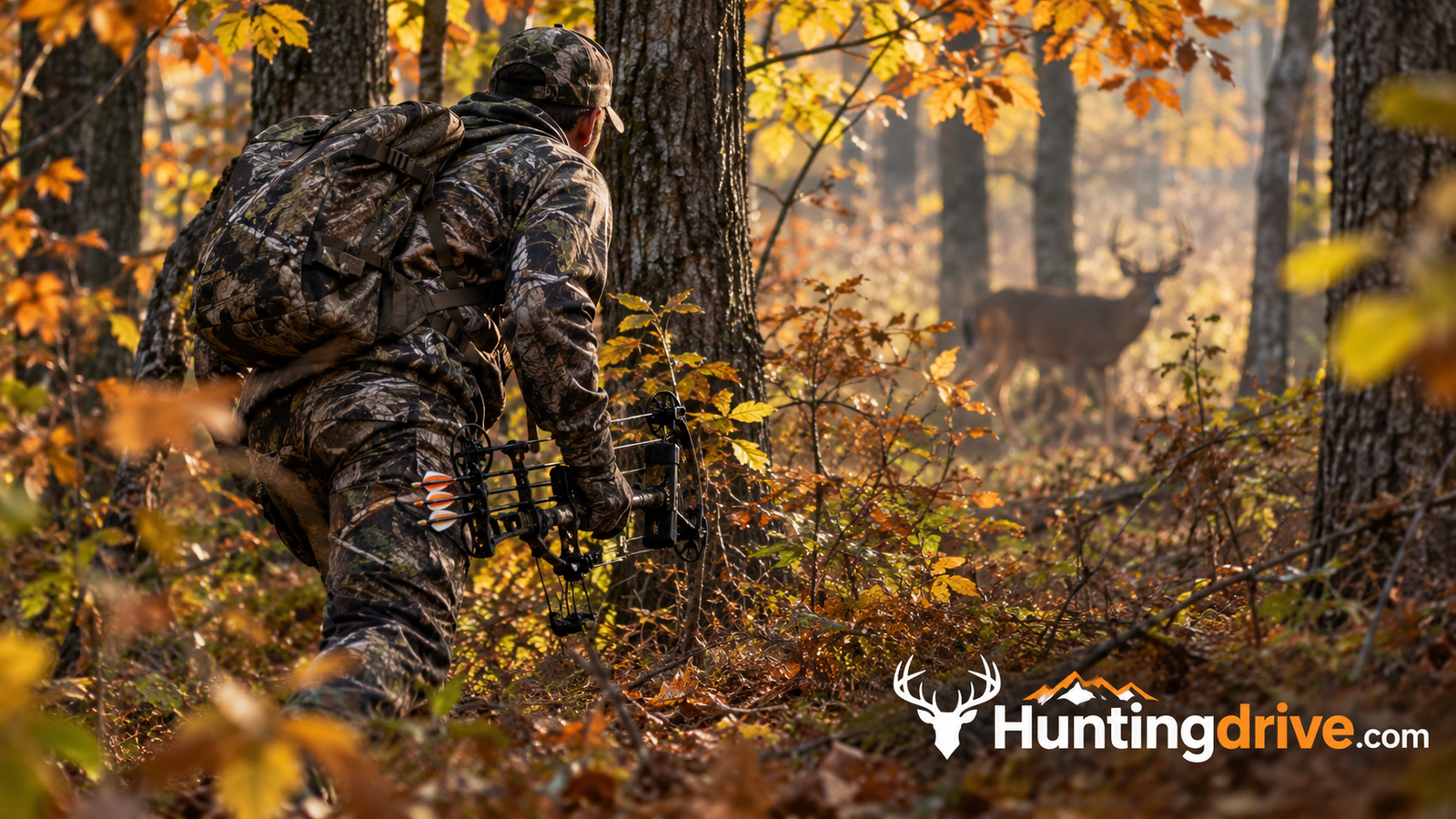
What Is Still Hunting? The Slow, Quiet Way to Find Game on Foot
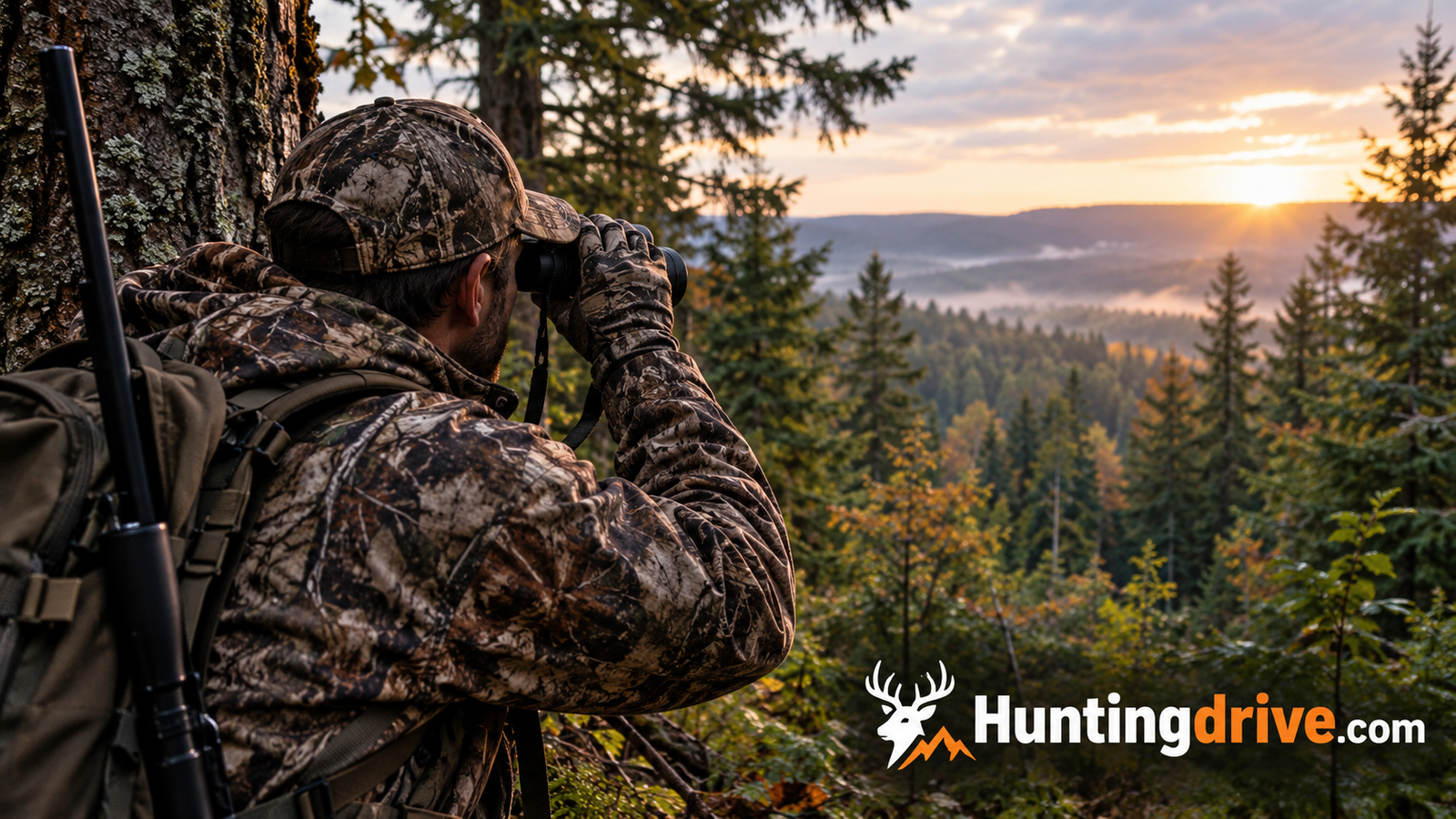
Picture a hunter easing along a ridge in the cool hour after sunrise. Take a step. Stop. Look at the shadows under a hemlock. Listen. Take another step. Ten minutes pass and the hunter has covered the length of a football field, yet every bit of that ground has been studied. Somewhere ahead, a deer bedded in the leaves is about to be noticed, or about to notice the hunter. That slow, deliberate, almost stubborn way of moving through the woods is what hunters mean by still hunting.
The name confuses nearly everyone at first. If you are “still,” are you not sitting in a tree stand or on a stump? Not quite. Still hunting is a mobile method. The “still” refers to the quality of your movement, how quiet and controlled it is, not to staying in one place. It is one of the oldest approaches in North American hunting, and it remains a favorite among people who would rather read the woods than wait for the woods to come to them.
In this guide, we will walk through what still hunting is, how it differs from stand hunting and stalking, which animals and landscapes suit it, how to handle wind and terrain, how to move without announcing yourself, and what gear really helps. We will also cover safety, ethics, and the beginner mistakes that spook more game than any other habit. If you are brand new to the field, our primer on how to get into hunting is a good companion read.
1. What Still Hunting Actually Means
At its core, still hunting is a style of hunting where the hunter moves on foot through the animal’s home territory at a pace so slow that it barely resembles walking. Think of it as hunting in slow motion. The hunter takes a few quiet steps, stops, scans every layer of the landscape, listens, checks the wind, and only then moves again. The ratio of standing to stepping is heavily tilted toward standing, which is exactly where the “still” in the name comes from.
The goal is simple: get within a fair shooting distance of an animal that does not know you are there. Because you are the one who moves into the animal’s space, success depends on stealth rather than patience at a single location. A good still hunter treats the forest as a puzzle of shapes, colors, and sounds, and looks for the piece that does not fit, such as the horizontal line of a back among vertical trunks, the flick of an ear, or the glint of an eye.
The Three Core Ideas
Most experienced still hunters boil the method down to three ideas that guide everything else:
- Slow is smooth, and smooth is quiet. Rushing creates noise and visible movement. Slowing down gives you time to choose each footfall.
- See first. Your eyes do the real hunting. Your legs only reposition you so your eyes have something new to examine.
- Use the wind and the terrain. Animals rely on scent, hearing, and movement detection. You manage all three by moving against or across the wind, using cover, and staying off ridgelines.
Is It the Same as Stalking?
People often use “still hunting” and “stalking” interchangeably, but they are not quite the same. Stalking usually starts with a specific animal already located, say a buck spotted across a field, and the hunter plans a careful approach to get within range. Still hunting is more exploratory. You are working through country where you expect animals to be, hoping to find one, and the approach adapts to whatever you discover. In practice the two blend together. A still hunt turns into a stalk the instant you see a deer feeding fifty yards off.
That mixture of exploration and decision-making is the appeal. No two outings look the same, and the method rewards hunters who pay attention to small details. It is physically gentle and mentally demanding, which is why many people find it deeply absorbing.
Quiet footwear is the first piece of equipment most still hunters upgrade. Browse soft-soled hunting boots if yours are noisy.
Check Price on Amazon2. Still Hunting vs. Other Hunting Styles
To appreciate what makes still hunting unique, it helps to set it beside the other common ways people pursue game. Each method has a place, and plenty of hunters mix several in a single season depending on pressure, weather, and terrain.
Swipe to see more →
| Method | Movement | Main Strength | Main Challenge |
|---|---|---|---|
| Still hunting | Very slow, mostly paused | Covers new ground and adapts to what you find | Requires great discipline and wind awareness |
| Stand hunting | None once set up | Comfortable, good vantage, easy to stay concealed | Depends on animals coming to you |
| Spot and stalk | Planned approach to a located animal | Targets a specific animal | Needs open country and good optics |
| Drives | Group pushes animals toward standers | Works in thick cover with several people | Needs coordination and strict safety rules |
| Tracking | Follows sign or blood or snow tracks | Excellent after fresh snow | Conditions must cooperate |
Still Hunting vs. Stand Hunting
Stand hunting, whether from a tree or a ground blind, is about letting the animals come to you. You invest in scouting, choose an ambush spot, and then you wait. It is excellent for hunters who like to sit, observe, and keep movement to a minimum. Still hunting flips the equation. You are the one doing the covering, and you only see what is physically around you at any given moment.
Neither is better in a universal sense. A stand is more forgiving when the wind shifts, because you can sit tight and hope. Still hunting rewards you when stands are not producing, when you are in unfamiliar country, or when you simply want to be in motion. Many hunters who spend mornings in a stand switch to a slow midday still hunt when deer are bedded and the stand has gone quiet.
Still Hunting vs. Saddle Hunting
Saddle hunting is a mobile elevated approach where you use a tethered platform and a saddle instead of a hang-on stand. It shares the “go where the animals are” spirit but still ends in an elevated sit. If you like the idea of staying light and mobile, read our breakdown of what is saddle hunting to see how the two styles complement one another.
Still Hunting vs. Upland Hunting
Upland hunters also walk a lot, but they walk with a purpose that is almost the opposite of still hunting. Upland birds are often flushed by walking briskly with dogs, while a still hunter tries to avoid being noticed at all. If you are curious about that approach, see what is upland hunting for a clear contrast.
Packing light matters when you are moving all day. Look at compact daypacks designed for quiet movement.
Check Price on Amazon3. Why This Old Method Still Works
Still hunting did not appear out of thin air. For centuries, people who needed meat moved through the woods on foot with little more than a firearm or a bow and a good set of senses. Long before tree stands and trail cameras, this was how most hunting was done. Settlers, market hunters, and rural families passed down the technique from person to person, often without calling it anything fancy. They simply learned to move like the animals did and to pay attention.
The method has survived because it works with animal behavior rather than against it. Whitetail deer, for example, rely on a trio of defenses: a remarkable sense of smell, sharp hearing, and sensitivity to motion. None of those can be beaten outright. They can only be managed. A slow-moving hunter who keeps the wind in his or her face, steps softly, and stays behind cover gives a deer fewer clues than a hunter who stomps along a trail.
The Appeal of Hunting Pressure Relief
Where hunting pressure is heavy, animals change habits. They become more nocturnal, bed in thicker cover, and use terrain that people avoid. Still hunting is one of the few methods that can reach those hidden pockets. A deer lying tight in a briar thicket will often sit still as a hunter walks past at a distance, but will flush if someone blunders close. The still hunter who slows down and examines the thicket carefully can occasionally spot the one clue, such as an ear or leg, that reveals the animal.
A Skill That Improves Everything Else
Another reason to learn still hunting is that it sharpens skills that carry over to other styles. You learn to read sign, to judge wind, to notice birds and squirrels that react to an unseen predator, and to control your body. Those same habits make you a better stand hunter, a better turkey hunter, and even a better wildlife photographer. If you are still building a foundation, how to get into hunting covers basics such as licensing and hunter education, which should come first.
It is also one of the least gear-dependent forms of hunting. You do not need to buy a stand, haul in a blind, or hang cameras. You need a good pair of boots, clothing that stays quiet, optics you trust, and a lot of patience. That makes it approachable for beginners on a budget, provided they respect safety rules and go in knowing the learning curve is real.
Pros of Still Hunting
- Minimal gear and low cost to start
- Covers new ground and finds hidden animals
- Works well on small or public parcels
- Builds woodsmanship that helps every other method
- Keeps you warm in cold weather
Cons of Still Hunting
- Steep learning curve and many ways to spook game
- Can be tiring mentally even when walking is slow
- Wind changes can ruin a carefully planned route
- Shots may be quick and at close range
- Less effective in loud, dry, crunchy conditions
Looking for a good place to start gearing up? Explore beginner-friendly hunting essentials.
Check Price on Amazon4. Best Game and Seasons for Still Hunting
Whitetail deer are the animal most closely tied to still hunting, especially in the hardwood forests of the eastern and midwestern states. The method also suits mule deer in broken country, elk in timber, black bear in thick cover, and even squirrels, grouse, and rabbits for hunters who want a quieter way to fill the pot. Always confirm what is legal in your state or province and what the season dates are. Our guide to when is deer hunting season is a helpful starting point for planning.
Whitetail Deer
Whitetails are creatures of edge and cover. They bed in thick stuff, feed along field edges and oak flats, and travel on predictable routes between the two. Still hunting is especially effective when deer are bedded or moving slowly during the middle part of the day. A hunter who moves through a bedding area into the wind can sometimes get closer than anyone would believe, because the deer relies on cover and stillness to avoid danger. That same trait makes it important not to blunder in too fast.
Elk and Mule Deer
In the mountains, still hunting often means moving through timber on the downhill side of bedding benches, reading thermal air currents, and pausing at openings. Elk can be noisy, and in dense timber you can sometimes hear them before you see them, which helps you plan an approach. Mule deer are often hunted by a mix of glassing and stalking, but still hunting in broken drainages can put you in range of bedded animals.
Small Game and Birds
Squirrels offer a wonderful training ground. They live in nut-bearing trees, they are alert, and they punish careless movement immediately. A morning spent easing through a hardwood stand in search of squirrels teaches you more about quiet walking than a week of reading. Grouse and woodcock are sometimes hunted this way too, though dogs or flushing walks are more common. For a look at birds and the broader tradition, see our article on upland hunting.
Seasons and Conditions That Favor It
Still hunting shines when the woods are damp or covered by a fresh blanket of snow. Moisture softens leaves and twigs so your footsteps get muffled. Fresh snow also lets you see tracks, which can tell you where animals have been and which direction they went. Early season, when leaves are still dry and brittle and temperatures are warm, can be tougher. Later in the season, after rain or snow, quiet conditions improve dramatically.
Whitetail hunters often rely on good optics and rangefinding. See hunting binoculars for slow, careful glassing.
Check Price on Amazon5. Reading Terrain, Wind, and Cover
If there is a single skill that separates successful still hunters from frustrated ones, it is understanding how wind and terrain shape what animals know. You can be as quiet as a cat, but if your scent drifts into a bedding area ahead of you, the hunt is over before you ever see an animal.
Wind: The Non-Negotiable
A deer can smell you from a great distance when the wind carries your odor directly toward it. The obvious rule is to move into the wind or across it, so your scent blows away from where animals are likely to be. In practice, wind shifts, swirls, and changes with the time of day and terrain. A simple wind checker, such as a small puff bottle or a bit of lightweight thread tied to your bow or stick, helps you keep track of what is happening at your level. Watch the way leaves move up high, too, since upper wind may be different from the breeze at ground level.
In hilly country, remember that air tends to flow differently in the morning and evening. Cool air often sinks into valleys as temperatures drop and rises as the day warms. These thermals can reverse your scent’s direction without any change in the weather forecast. If you are hunting a slope, being aware of whether the air is drifting up or down can keep you from walking into a mistake.
Use Terrain Features as Cover
Smart still hunters avoid skylines. Walking along a ridge crest means your outline is visible from a long way off. Instead, hunt just below the ridge, using the slope for cover, and peek over the top slowly when you need to look at the other side. Creek bottoms, drainages, saddles, and benches are all places where animals bed, travel, and feed, so each one deserves a patient look before you step in.
Edges are also productive. The line where mature timber meets a regenerating cutover or where a field meets woods offers both food and cover. Walk the inside of the timber, a short distance from the edge, and glass the open area before you step into it. Doing so lets you observe feeding animals without exposing yourself.
Choose Your Stops Carefully
Where you pause matters. A good stopping place has something to break up your outline, such as a tree trunk or a bush, and offers a clear view of the next stretch of cover. A poor stopping place leaves you silhouetted against a bright background or standing in the open. Whenever you stop, take a few seconds to plan where you will go next, so you are not fidgeting or changing your mind in the middle of motion.
Notice the Signs
Fresh tracks, droppings, rubs, scrapes, and browsed twigs all give clues about who is using an area. Feeding areas near oaks, beech trees, or late-season crops are worth slowing down in. Birds and squirrels can also help. A jay screaming in the distance or a squirrel chattering at something on the ground may be reacting to another animal. Treat these sounds as information rather than background noise. If you have been using a camera setup to learn an area, our review of the best trail camera for deer hunting shows how to put that information to use.
A simple wind indicator is cheap insurance. Look at scent-free wind checkers and similar small essentials.
Check Price on Amazon6. Technique: Moving Like a Shadow
Now for the part everybody wants to know: how do you actually move? The answer is less about special tricks and more about doing a handful of simple things with unusual discipline.
The Step-and-Pause Rhythm
Take a short step, then stop. Look, listen, and smell the air. Take another step. The exact rhythm depends on the cover, but the principle is that you spend more time watching than walking. Many experienced hunters describe it as moving at a pace that feels almost ridiculous at first. If you do not feel silly, you are probably going too fast.
A useful mental trick is to imagine you are stalking a sleeping animal that could wake at any moment. Every step must be placed with that in mind. Each time you stop, scan in layers: first the ground close to you, then the middle distance, then the far edge. Look through gaps rather than at them, searching for parts of an animal like an ear, a leg, a patch of hair, or the horizontal line of a back.
How to Place Your Feet
Walk heel to toe or toe to heel, whichever lets you feel the ground before committing your weight. Many hunters prefer to roll the outside of the foot down gently, feeling for twigs and dry leaves. If something cracks, do not freeze for a long time and then continue as if nothing happened. Stay still briefly, then keep going at the same slow pace. A single snapped twig sounds like many things in the woods, including a falling branch or a squirrel. A hunter who keeps moving noisily does not.
Pick your route to avoid noise where possible. Moss, damp soil, mud, and rotted wood are quieter than dry leaves and loose rock. Walk on game trails if they are clear. Where you can, step on bare dirt or on the downhill side of rotting logs. Try not to step over logs in a way that scrapes your boots or clothes. Placing a foot on top and swinging over slowly avoids both.
Keep Your Body Quiet
Noise is not only your feet. Brushing against branches, rustling jackets, clinking gear, and heavy breathing all travel. Choose clothing that does not swish. Carry your weapon in a way that does not snag branches. Fasten loose straps. When you pass through brush, use your free hand to push aside branches gently and let them come back slowly. Do not allow them to snap.
Also be careful with your head and eyes. A quick head turn catches an animal’s attention just as it would catch yours. Turn slowly, and move only your head when you can. If you spot an animal and it has not noticed you, freeze, and then reduce your movement to the smallest possible motions.
What to Do When You See an Animal
Once you spot an animal, your decisions become simple but critical. First, decide whether it has seen you. If it has, freeze. If it is relaxed or feeding, you may have time to move. Second, identify what is behind the animal so that any shot has a safe backstop. Third, work to get a stable rest, such as a tree, a stump, or shooting sticks, and ensure you are within a distance you are confident about. If you have to move, do it only when the animal’s head is down or when it is looking away.
Never rush a shot. A calm hunter with a steady rest at a fair distance is far better than a hurried one who is breathing hard and unsure. If the situation is not right, it is perfectly acceptable to let the animal walk. The point of a still hunt is the practice and the experience as much as the harvest.
Shooting sticks and steady rests can turn a rushed chance into a calm one. Browse lightweight options for walking hunters.
Check Price on Amazon7. Timing and Weather
When you hunt matters nearly as much as how you hunt. Animals are active at certain times of day, and weather changes how well sounds and smells travel. Understanding those patterns helps you choose the right moments to be on the move.
Morning and Evening
Deer tend to move most around first and last light, which is why many people hunt those hours from a stand. Still hunting can work well in those windows too, but the low light makes it harder to see, and animals are often moving, which means you may bump into them. Walking into the wind at first light toward feeding areas, or toward bedding areas at last light, can be productive. For a deeper look at the best windows, check our guide on best deer hunting times.
Midday: A Quiet Opportunity
The middle of the day is often overlooked. Many hunters head home or take a nap after the morning stand. Yet deer frequently stand up, stretch, feed briefly, or relocate during the middle hours, especially during the rut or when the weather is cool. A hunter moving carefully through bedding cover in the middle of the day may find animals that others have bypassed. This is one of the classic uses of the technique.
Rain, Snow, and Wind
A light rain or wet snow muffles sound and softens leaves. Visibility can be poorer, but animals often continue moving, and your footsteps carry less. Fresh snow gives you the added benefit of tracks. A strong wind, however, is a mixed blessing. It covers your noise, but it also makes animals nervous and can make scent unpredictable. Many hunters avoid hunting in very gusty conditions because animals tend to hunker down and rely on their noses more.
Very dry, crunchy conditions are the hardest. When leaves are crisp, even careful steps can be loud. In those conditions, consider slowing down further, hunting near water, or relocating to areas with softer ground such as pine needles. Alternatively, switch to a stand until conditions improve.
Temperature and Layers
Staying comfortable keeps you patient. Because still hunting involves long pauses, your body cools quickly when you stop. Dress in layers you can adjust, and avoid overheating on the move, because sweat becomes cold during stops. Quiet fabrics such as wool or soft synthetics help reduce noise.
Layering is key when you alternate between moving and standing. Explore quiet, warm base layers for cold-weather hunts.
Check Price on Amazon8. Gear That Makes It Work
Still hunting is not a gear-heavy method, but certain pieces matter more than others. Because your whole strategy depends on silence and comfort, spend where it counts and keep the rest simple.
Footwear: Your Most Important Choice
Your boots are the contact point between you and the forest floor. Look for soles that are flexible enough to feel the ground and that do not squeak or clack. Lightweight models are easier to place carefully, and they reduce fatigue after hours of slow movement. If you want to explore options, our roundup of the best lightweight hunting boots highlights choices for walking hunters. Pair them with moisture-wicking socks so your feet stay dry and blister-free. We cover options in our best hunting socks guide.
Clothing That Stays Quiet
Wool, fleece, and brushed synthetic fabrics are common because they do not rustle. Avoid stiff nylon shells that swish when you move. Camouflage patterns that break up your outline help, but remember that movement is what gets you noticed. Where hunter orange is required, wear it as the law demands. Deer see color differently than people do, so orange works as a safety tool without ruining your hunt as long as you move slowly.
Gloves and Face Cover
Your hands are busy and often exposed, and cold hands make shooting harder. Thin, quiet gloves that allow some dexterity are worth carrying. See our best hunting gloves guide for ideas. A face mask or face paint reduces the shine of skin, which can catch an animal’s eye when you look up.
Optics
Compact binoculars are one of the most valuable tools for a still hunter. They let you examine shadows and gaps from a distance without having to move closer. Keep them on a chest harness so they are available without fumbling. A rangefinder helps you judge distance quickly when an animal appears at an uncertain range. Check our guide to the best hunting rangefinder if you want help choosing one.
Small Extras
- Wind checker to monitor your scent line.
- Shooting sticks or a lightweight monopod for steadier shots.
- Compact pack that does not swing or rattle.
- Map, compass, or GPS so you can navigate while focusing on the woods.
- Knife, drag rope, and basic field-dressing supplies in case you succeed.
- Headlamp with fresh batteries for the walk out.
A good pair of gloves keeps your hands steady and quiet. Browse hunting gloves built for cold mornings.
Check Price on Amazon9. Weapons and Shot Opportunities
Still hunting generally produces close, quick, and often partially obstructed shots. That reality should shape your weapon choice, your practice routine, and the decisions you make in the field. Because every state and province has different rules about which weapons are allowed during which seasons, confirm your options before you plan an outing.
Rifles and Shotguns
In thick cover, a handy rifle or a shotgun with a slug or a suitable rifled barrel is often the tool of choice. Short, light, quick-handling firearms are easier to carry quietly and to bring into action when an animal appears at close range. Long-range capability matters less than the ability to shoot accurately and fast at modest distances. Spend time at the range practicing shooting from natural rests, off-hand, and from kneeling or sitting positions, since you will rarely have a perfect bench in the woods.
Shotgun hunters should also learn their gun’s patterning with the loads they plan to use. While most of our discussion is about big game, the same slow approach can apply to small game with a shotgun, where choke selection matters. For waterfowl, our guide on what choke for duck hunting covers how constriction affects patterns.
Bowhunting
Bowhunters can and do still hunt, though it is one of the most demanding ways to hunt with archery gear. You must get far closer than a rifle hunter would, and your movements while drawing are very visible. Many archers use the technique in combination with a stand, moving between prepared locations. If you decide to try it, practice drawing from kneeling and standing positions and learn to use terrain to mask your draw. A well-tuned release is part of the equation, and our article on the best thumb release for hunting can help you think through that part of your setup. Arrow selection matters too, so see our overview of the best arrows for deer hunting.
Muzzleloaders and Other Options
Some hunters use primitive weapons during special seasons, and still hunting suits them nicely because shots are usually close. Muzzleloaders require careful handling, and a single shot means you must make it count. Whatever you carry, practice until safe handling and accuracy are automatic.
Making the Shot Decision
Because still hunting means the animal may appear suddenly, you need to decide ahead of time what you will and will not shoot. Think about distance, angle, cover, and your confidence. Know the vital zone, know your effective range, and be honest about it. If a shot is marginal, pass it. A wounded animal is a poor outcome for everyone, and a hunter who passes a questionable shot is practicing the kind of ethics that makes the sport worthy of respect.
Use a rangefinder when possible, but do not rely on it alone. Learn to estimate distance by pacing off landmarks as you move, so you have reference points already in mind. Always confirm your target and what is beyond it before you pull the trigger or release.
Practice is the best preparation. Look at portable shooting rests and targets for off-season training.
Check Price on Amazon10. Scouting and Preparation
Though still hunting feels spontaneous, the best outings are built on preparation. Knowing the terrain and the animals’ routines before you step off the road lets you plan a route that makes sense and puts you in the right place at the right time.
Study Maps and Aerial Photos
Maps and satellite imagery are your first scouting tools. Look for natural funnels, benches, saddles, thick cover, water, and feeding areas. Mark the wind direction you expect and plan your route so you travel into it or across it. Note potential problem spots, such as clearings where you will be exposed, and decide ahead of time how you will approach them. Having a plan helps you slow down in the right places and move steadily where cover is good.
Use Trail Cameras
If you have access to private land or are allowed to use cameras where you hunt, they can give you a window into the animals’ activity. Photos show which animals are using an area, what time of day they move, and which trails they prefer. You can then plan to still hunt that area at the times when deer are likely to be bedded or moving nearby. Our guide to the best trail camera for deer hunting offers a helpful starting point.
Walk the Ground Out of Season
Late winter and early spring are wonderful times to learn a property. Without foliage, you can see the lay of the land, find bedding areas, and notice trails. Many hunters combine this with collecting antlers, which also rewards careful observation. Our article on what is shed hunting explains how that pastime pairs with scouting, and it also teaches you to read the same terrain you will still hunt in the fall.
Build Fitness and Patience
You do not need extreme fitness to still hunt, but you do need balance, leg strength, and the ability to stand still for long stretches. Practice slow walking at home or on trails, paying attention to your balance as you shift weight. Try standing motionless for a few minutes at a time while observing your surroundings. It might sound simple, yet it builds the discipline that makes a real difference in the field.
Prepare a Plan and Tell Someone
Before heading out, tell someone where you will be hunting and when you expect to return. Carry a charged phone, a compass or GPS, and basic survival items. Because still hunting can take you far from your starting point without you noticing, it is easy to lose track of distance and direction. Mark a waypoint at your vehicle and check your position periodically.
Navigation tools keep you oriented when you are focused on the woods. See handheld GPS units and compasses.
Check Price on Amazon11. Safety, Ethics, and Legal Basics
Any time you move through the woods with a weapon, safety must be the top priority. Because still hunting involves moving slowly and sometimes quietly in places other hunters may be present, extra awareness is required.
Blaze Orange and Visibility
Many regions require hunters to wear a certain amount of blaze orange during firearm seasons. Even where it is not required, wearing it is wise on public land or in areas with other hunters. Remember that moving quietly can make you hard for others to notice. Orange makes you visible to other people without significantly harming your chances of getting close to deer, since deer do not perceive color the way humans do.
Know Your Target and What Is Beyond It
Never shoot at a sound, a patch of color, or movement you have not positively identified. Many accidents occur when a hunter assumes an unseen shape is an animal. Because still hunting often involves glimpses through brush, take the time to confirm exactly what you see. Always be sure of your backstop, because a bullet or arrow can travel much farther than you expect.
Respect Other Hunters and Landowners
If you are hunting on public land, be aware that other hunters may be in stands you cannot see. Avoid moving too close to an area where you notice signs of another hunter, and try to keep a respectful distance. On private land, obtain permission, follow the landowner’s rules, and leave gates as you found them. Courtesy keeps access open for everyone.
Ethics and Fair Chase
Still hunting is regarded as a fair-chase method because the animal has every opportunity to detect and avoid you. The hunter relies on skill, not shortcuts. Honor that tradition by following the law, taking only ethical shots, making every effort to recover game, and treating animals with respect. If you are curious about different philosophies in the sport, see our discussion on what is trophy hunting.
Licensing and Regulations
Before you go, confirm that you have the proper license, tags, and any required hunter education. Rules vary widely about legal shooting hours, allowed weapons, and where you can hunt. Check your wildlife agency’s current regulations each season, since they can change.
Make sure you are seen by other hunters. Browse blaze orange vests and hats.
Check Price on Amazon12. Common Mistakes and Fixes
Almost everyone who tries still hunting makes the same handful of errors. Learning to recognize them early will speed up your progress and save you plenty of frustration.
Swipe to see more →
| Mistake | Why It Hurts | Quick Fix |
|---|---|---|
| Moving too fast | Noise and movement alert animals before you see them | Pause far more than you walk and count your pauses |
| Ignoring the wind | Scent warns animals long before they come into view | Check wind constantly and plan routes into or across it |
| Walking ridgelines | Your outline is visible from far away | Hunt just below the crest and peek over slowly |
| Looking only at eye level | You miss parts of animals low or high in cover | Scan in layers from close to far, low to high |
| Loud clothing and gear | Swishing and clinking carry in still air | Choose quiet fabrics and secure loose items |
| Skipping preparation | You waste time in areas without animals | Scout, study maps, and plan a route |
| Rushing the shot | Leads to misses and poor shot placement | Find a rest, steady your breathing, and wait for a clear shot |
Mistake One: Treating It Like a Hike
The most common error is walking at a normal pace and calling it still hunting. If your route covers a lot of ground in an hour, you are probably moving too quickly. Slow down until it feels almost uncomfortable, then slow down a little more.
Mistake Two: Staring at the Ground
Watching your feet is tempting, but if you do so you will miss what is happening around you. Learn the routes by feel and by quick glances so your eyes stay up. Choose your steps early, then raise your gaze and scan.
Mistake Three: Giving Up Too Soon
Because results are not guaranteed, many beginners feel discouraged after a few unproductive outings. Remember that still hunting is a skill, and skills take time. Each outing teaches you something about wind, noise, and habitat. Keep notes on what you see and where, and adjust. For a broader perspective on building skills over time, revisit how to get into hunting.
Mistake Four: Overlooking Small Clues
Many hunters walk right past the first sign of an animal, such as a flicking tail or a slight color change in the brush. Train yourself to scan for parts instead of whole animals. Over time, your eyes will pick up details you did not notice before.
Mistake Five: Not Having a Plan for the Retrieval
Success brings its own work. Plan how you will track, field dress, and extract an animal before you shoot. Bring a drag rope or game cart where allowed, and know who you can ask for help if needed. Preparation reduces stress and protects the quality of your meat.
Be ready for the work that follows a successful hunt. Explore field dressing kits and game carts.
Check Price on AmazonFrequently Asked Questions About Still Hunting
What is still hunting in simple terms?
Still hunting is a method of hunting on foot where you move extremely slowly and quietly through an animal’s habitat, stopping often to look and listen. The “still” refers to the quality of your movement and the long pauses, not to staying in one place all day.
Is still hunting the same as stalking?
They are closely related but not identical. Stalking usually begins with a specific animal that you have already spotted, while still hunting is more exploratory and involves slowly searching for animals in likely cover. In real life, a still hunt often becomes a stalk when you see something.
Why is it called still hunting if you are moving?
The name comes from the idea of moving so quietly and with such little motion that you are effectively “still” in the eyes of the animals. The hunter makes more stops than steps, and every movement is slow, soft, and deliberate.
What animals can you still hunt?
Whitetail deer are the classic example, but the method also works for mule deer, elk, bear, squirrels, and other game when it is legal. The same principles of wind, cover, and quiet movement apply across species, though details vary.
How slowly should I walk when still hunting?
Much slower than you think. Many hunters move a few steps and then pause for a longer period, spending most of their time scanning. If you are covering ground quickly, you are probably going too fast. The ideal pace depends on terrain, noise, and how fresh the sign is.
What is the best time of day to still hunt?
Early morning and late afternoon are popular because animals are moving, but midday can be productive, too, when many hunters have left the woods and animals shift position. Weather matters, since damp or snowy conditions muffle sound and make movement easier.
Does wind matter more than camouflage?
Generally yes. A deer’s sense of smell is one of its strongest defenses, so managing your scent by traveling into or across the wind is critical. Camouflage and quiet clothing help, but they cannot make up for a wind that carries your scent ahead of you.
What kind of boots work best for still hunting?
Look for lightweight, flexible, quiet boots with soles that let you feel the ground. They should be comfortable for long hours and appropriate for the temperature and terrain. Good socks are also important for keeping your feet dry and blister-free.
Can bowhunters still hunt?
Yes, but it is challenging because archery requires getting very close and drawing without being noticed. Many bowhunters prefer to pair the technique with stands, or they use still hunting in thick cover where animals are bedded and shots are close.
Is still hunting good for beginners?
It can be, particularly because it requires little gear, but the learning curve is real. Beginners should start with hunter education, practice shooting skills, and consider going with an experienced mentor. Safety and ethics should always come first.
Do I need to wear blaze orange while still hunting?
Requirements vary by location and season, but orange is a smart safety measure whenever other hunters could be around. Because still hunters move quietly and often through brush, making yourself visible to people is important. Check your local regulations for the exact rules.
How do I get better at still hunting?
Practice slowing down, scout your area, study the wind, and keep notes on what works. Spend time in the woods outside of hunting season, practicing quiet movement and observation. Over time, your eyes and ears will adapt, and you will start noticing animals you once overlooked.
Ready to build your kit? Browse a wide range of hunting gear in one place.
Check Price on AmazonConclusion: Slow Down and See More
Still hunting asks you to do something that feels backwards in a world that values speed: go slower. In return, it gives you a front-row seat to the forest as it truly is. You notice the way light moves through the trees, the sounds of birds and squirrels, and the subtle clues that reveal a hidden animal. Whether or not you fill a tag, you finish each outing a sharper observer and a better woodsman.
If you want to try it, begin with the fundamentals. Learn the rules, get your hunter education, and practice shooting. Choose quiet boots and clothing, watch the wind, scout your ground, and keep your pace painfully slow. Pause more than you walk, look in layers, and be willing to pass on a bad shot. Add this method to your toolbox, alongside stand hunting and other styles, and you will be ready for whatever the season throws at you. Safe hunting, and may your next quiet step be the one that puts you in the right place at the right moment.
Gear up for your first slow, quiet hunt with quality essentials for the season.
Shop Hunting Gear on Amazon