
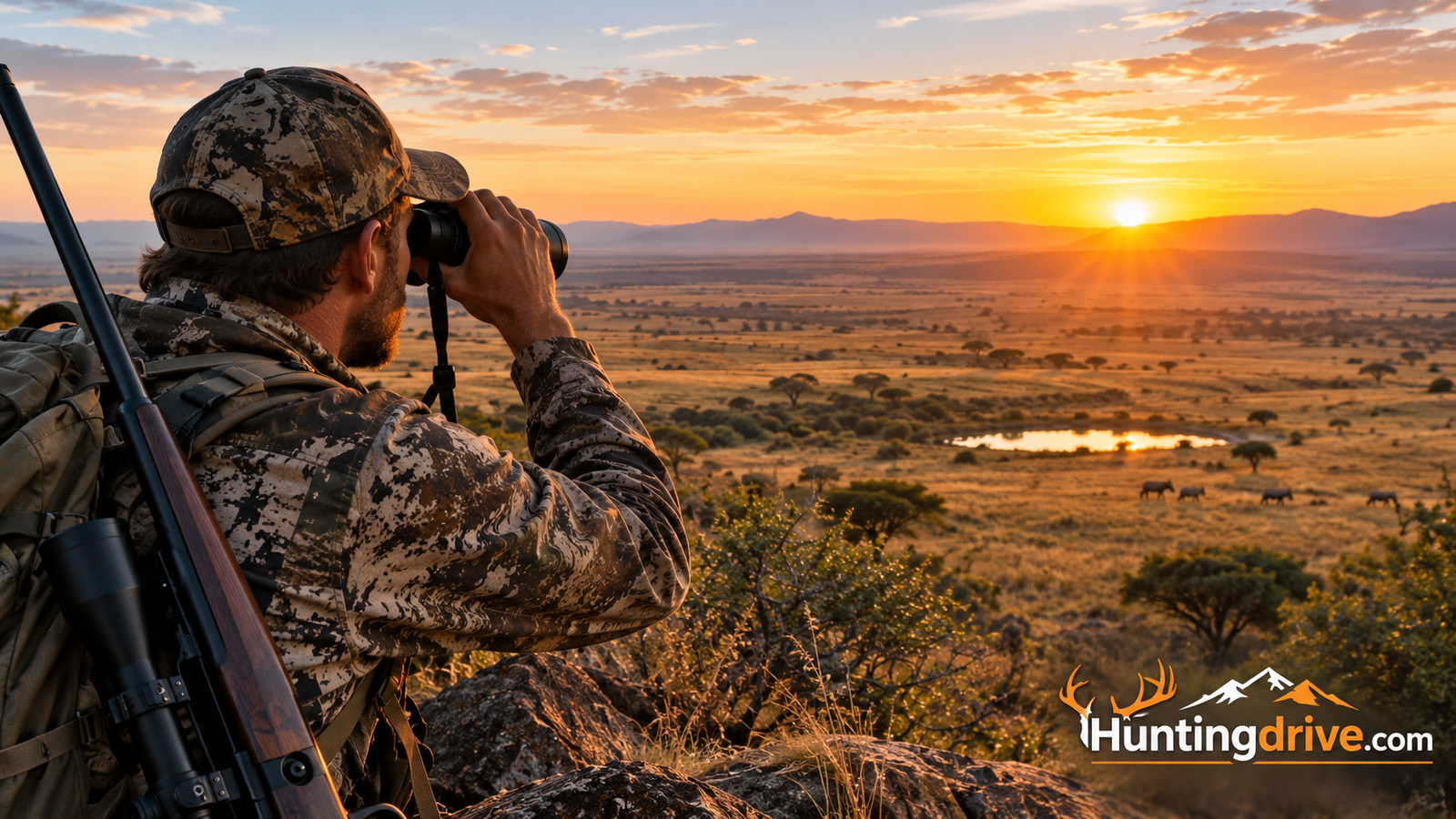
What Is Trophy Hunting? A Complete, Balanced Guide to the Practice, the Rules, and the Debate
Few topics in the outdoors world spark stronger reactions. Here is a clear, fair look at what trophy hunting actually is, how it works, who does it, where the money goes, and why people disagree so sharply about it.
Say the words “trophy hunting” at a dinner table and you will probably get one of two reactions. Some people picture a wealthy visitor posing over a magnificent animal and feel a flash of anger. Others think of a quiet mountain, a hard-earned ram, and a family that has hunted the same ground for generations. Both pictures exist, and both are incomplete. The truth sits in a wide, messy middle where biology, law, money, culture, and ethics all collide.
This guide is written to help you understand the subject instead of simply picking a side. We will define the term in plain language, trace where the practice came from, and walk through how a typical hunt unfolds. We will look at the species involved, the places where it happens, and the way fees and licenses flow through local economies. Then we will give the strongest arguments on both sides their fair hearing, because anyone who wants to form an honest opinion deserves to hear both.
Whether you are a new hunter, a curious reader who just watched a news story, a student working on a project, or someone trying to decide how you feel about the issue, you are in the right place. If you are brand new to the outdoors in general, our walkthrough on how to get into hunting is a helpful companion read.
1. What Trophy Hunting Actually Means
Trophy hunting is the selective hunting of wild animals primarily for a prized part of the animal, such as the horns, antlers, skull, or hide, rather than primarily for meat. The hunter is looking for an animal that stands out: a mature male with large antlers, a ram with a heavy curl of horn, or a bull whose tusks or horns are exceptional for the species. The “trophy” is the physical proof of a difficult, memorable pursuit, and it is often mounted, displayed, or measured against record books.
The key word in that definition is selective. A trophy hunter is not taking the first legal animal that walks by. They are willing to pass on many animals, sometimes for days or seasons, while waiting for one that meets a personal standard or a particular age and size. That patience is a defining feature, and it is also the source of much of the debate, since selecting for large males can have effects on a population that scientists continue to study.
Trophy does not always mean “no meat”
A common misunderstanding is that trophy hunters never use the meat. In reality, practices vary a lot by country, species, and outfitter. In many regions, the meat is processed and eaten by the hunter, donated to local communities, or distributed to nearby villages. In others, regulations or logistics make that harder. Some jurisdictions actually require meat to be salvaged. So “trophy” describes the main motivation behind choosing the animal, not necessarily what happens to every part of it afterward.
The simple version in one sentence
If you need a quick answer, here it is: trophy hunting is legal, regulated hunting in which the hunter deliberately targets an animal with exceptional physical features, and keeps part of it as a lasting symbol of the hunt.
It is also worth separating legal trophy hunting from poaching. Poaching is illegal killing that ignores seasons, quotas, and licenses. Legal trophy hunting happens inside a permit system, usually with set quotas, licensed guides, and government oversight. The two are often blurred in headlines, but legally and ecologically they are very different things.
Getting started in the field? A good optic is the single most useful tool for judging an animal before any decision is made.
Check Price on Amazon2. A Short History of Trophy Hunting
Humans have kept parts of animals as symbols for as long as we have hunted. Antlers, horns, tusks, and pelts have decorated homes and ceremonies across almost every culture, and in many societies a successful hunt carried status as well as nourishment. What we now call trophy hunting, as an organized and often international activity, took shape much more recently.
From royal hunting grounds to colonial expeditions
In medieval Europe, hunting large game was often a privilege reserved for royalty and nobility. Forests were managed as hunting preserves, and the right to take a prize stag was tied to rank. As European powers expanded overseas, wealthy travelers began organizing long expeditions to Africa, Asia, and North America in search of exotic game. These safaris, with their porters, guides, and mounted heads, helped create the popular image of the big game trophy hunter that still lingers in the public imagination.
The conservation turn
Something important changed as wildlife populations in many regions collapsed under unregulated market hunting and habitat loss. In North America especially, sportsmen and women became some of the loudest voices calling for seasons, bag limits, and license requirements. The system that emerged is often called the North American Model of Wildlife Conservation. It treats wildlife as a public resource, limits commercial sale of game, and uses hunting license fees and excise taxes on equipment to fund wildlife agencies and habitat work.
That funding principle is central to understanding how modern supporters defend the practice. They argue that regulated hunting, including selective hunting for mature animals, pays for the very habitat and management that keep species alive.
Record books and the culture of measurement
Organizations that keep record books for horns and antlers formalized how trophies are measured and compared. These systems encouraged ethical standards, such as requiring that record entries come from fair chase hunts. They also created a culture of friendly competition around size and age, which is where the word “trophy” took on its modern meaning in the hunting community.
Modern scrutiny
In the age of social media, hunting photos spread instantly and reach people who have never set foot in the field. A few high profile incidents involving charismatic animals triggered global outrage, new airline policies, and tighter import rules in some countries. Today, trophy hunting sits at the center of a lively public conversation about wildlife, ethics, and who gets to decide how animals are managed.
Interested in the traditions behind the sport? Field guides and hunting history books make a great starting point.
Browse Books on Amazon3. How Trophy Hunting Differs From Other Kinds of Hunting
Hunting is not one single activity. A person hunting doves for a weekend dinner, a rancher culling feral hogs, and a hunter saving for years to pursue a mature mountain ram are all hunting, yet their goals, methods, and ethics can look quite different. Understanding the differences helps clear up many arguments that are really about definitions.
| Type of Hunting | Main Goal | Typical Selectivity | Common Examples |
|---|---|---|---|
| Subsistence hunting | Feeding a household or community | Low. Any legal animal that provides food. | Traditional and rural food hunting |
| Meat or “freezer” hunting | Filling the freezer for the year | Low to moderate. Often favors does or younger animals. | Deer, elk, small game |
| Management or cull hunting | Reducing numbers or controlling damage | Directed by wildlife managers | Overabundant deer, invasive species |
| Trophy hunting | Taking an exceptional mature animal | High. Hunters often pass on many animals. | Sheep, mature bucks and bulls, big game abroad |
| Predator and varmint hunting | Protecting livestock or sport | Varies widely | Coyotes, foxes |
Overlap is normal
Real life does not sort neatly into these boxes. A deer hunter may enjoy the meat and also hope for a good set of antlers. Plenty of hunters who would never call themselves “trophy hunters” still hang a rack on the wall. The label tends to apply when the pursuit of a particular animal, rather than any legal animal, becomes the central point of the hunt.
Different seasons, different strategies
Trophy hunting usually requires more planning around timing. Mature males are often most visible and active during breeding periods, so hunters study peak activity windows closely. If you are curious how timing influences success, our guides on when deer hunting season opens, the best deer hunting times, and when turkey hunting season runs break down how seasons and daily rhythms shape the hunt.
A word on other pursuits
Some outdoor activities that sound similar are actually quite different. Shed hunting, for example, involves collecting antlers that animals drop naturally, so no animal is harmed. Snipe hunting is mostly a campfire prank, though the bird itself is real. And upland hunting focuses on game birds like pheasant and grouse, usually for the table.
Want a trophy of the harmless kind? Many outdoor fans collect naturally shed antlers for display.
Shop Antler Mounts on Amazon4. How a Trophy Hunt Works in Practice
Many people imagine a trophy hunt as a few minutes of action. In reality, the shot is only a tiny part of a process that can take months or years of preparation. Here is how a typical hunt unfolds from the first idea to the final paperwork.
Choosing a species and a destination
Hunters usually start with a dream animal. That choice drives everything else: where to go, what permits are needed, how fit the hunter must be, and how much money to set aside. Some hunts take place close to home on public land or private ranches. Others involve international travel, specialist guides, and long lead times.
Finding an outfitter or applying for a tag
In many places, a licensed outfitter or professional guide handles lodging, access, tracking, and local knowledge. In others, especially for popular game in North America, hunters enter a draw or lottery system for a limited number of tags. Winning a coveted tag can take years of patience and accumulating preference points. Doing research on the outfitter’s reputation, legal standing, and conservation record is wise before any money changes hands.
Scouting and conditioning
Good hunters scout. They study maps, glass terrain, review past harvest data, and sometimes use trail cameras to understand which animals use an area. Physical conditioning matters too, particularly for mountain hunts where long climbs at altitude test even fit people. Comfortable footwear is more important than most newcomers realize, which is why we put together a list of the best lightweight hunting boots.
Judging an animal
This is the heart of selective hunting. Guides and hunters evaluate age, antler or horn size, symmetry, body condition, and whether the animal is past its breeding prime. Experienced guides often look for mature males that have already had a chance to breed, which is one of the arguments hunters make about the practice’s biological impact. Judging correctly takes years of experience, and mistakes do happen.
The stalk and the shot
Depending on the species and terrain, hunters may spot and stalk, sit in a blind, use a tree stand, or still hunt slowly through cover. Some prefer saddle hunting, a mobile tree-based approach. Bowhunters spend an enormous amount of time on equipment, from tuning to choosing suitable arrows and a reliable thumb release. Accurate distance estimation also helps ethical shot placement, which is why many hunters carry a quality rangefinder.
Recovery, field care, and paperwork
After the shot, tracking the animal and recovering it quickly is a major ethical priority. Then comes field dressing, caping, meat care, and the paperwork that documents the legal harvest. Skipping any of those steps can lead to spoiled meat, ruined trophies, or legal problems.
Judging distance and terrain starts with good glass. Explore hunting rangefinders that help with ethical shot decisions.
Check Price on Amazon5. Popular Trophy Species and Where Hunting Takes Place
Trophy hunting happens on nearly every inhabited continent, involving a very wide range of animals. The species and rules differ dramatically from place to place, and some animals are legal to hunt in one country while strictly protected in another. The following overview is general, and it is not a substitute for checking current local regulations.
North America
North American trophy hunting often centers on deer, elk, moose, pronghorn, bears, and wild sheep and goats. Whitetail and mule deer are the most widely pursued, and a large industry has grown around managing land for older, larger bucks. Wild sheep hunts, in particular, are famous for their difficulty, their cost, and the way a single tag can be auctioned to raise money for conservation programs.
Africa
Africa is probably the first region people think of when they hear “trophy hunting.” Hunters travel to southern, eastern, and central countries to pursue antelope species of many sizes, along with buffalo and, in tightly controlled situations, species such as elephant, lion, or leopard. Rules vary by country, and some nations have closed or restricted certain hunts. In several regions, hunting concessions cover very large tracts of land that might otherwise be converted to farming or grazing.
Europe and Asia
In Europe, hunting is commonly organized around managed estates and revier systems, where hunters pursue red deer, roe deer, chamois, and wild boar under strict state oversight. In Central Asia and the Himalayan region, specialized hunts for wild sheep and ibex draw international visitors, and in some cases revenue is shared with local communities.
Oceania and South America
New Zealand and Australia are known for hunting introduced species such as red deer and tahr, which can damage native ecosystems. In South America, hunts for introduced deer, wild boar, and a few native species take place under varying regulations.
| Region | Commonly Pursued Game | Typical Setting |
|---|---|---|
| North America | Deer, elk, moose, wild sheep, bear | Public land, private ranches, draw tags |
| Africa | Plains game, buffalo, some large predators and elephants where legal | Licensed concessions and private reserves |
| Europe | Red deer, roe deer, chamois, boar | Managed estates and hunting districts |
| Central Asia | Wild sheep and ibex | Community-managed or government-run areas |
| Oceania | Introduced deer, tahr, boar | Public conservation land and private stations |
Introduced versus native species
An important nuance is that many animals hunted for trophies are not native to the place they live. Introduced deer, goats, and boar can cause real ecological harm. Hunting them is therefore sometimes viewed more as management than as trophy sport, even when the hunter is after a big head. That is one more example of how the categories blur in practice.
Smaller game and birds
Not every trophy is a giant antler. Some wingshooters pursue birds in a “trophy” fashion, but bird hunting usually leans toward the table. If you are heading into bird season, our guides on choosing a choke for duck hunting and what to wear for dove hunting are useful starting points.
Heading to unfamiliar country? A sturdy field pack keeps your essentials organized on long days.
Check Price on Amazon6. The Economics: Fees, Licenses, and Where the Money Goes
Money is at the center of nearly every conversation about trophy hunting. Supporters say that hunters pay premium fees that fund conservation and rural livelihoods. Critics argue that the actual share reaching local people and wildlife programs is often smaller than advertised. Both claims deserve a careful look because the reality differs widely by country, region, and operator.
What a hunter typically pays for
A trophy hunter’s total spending usually falls into several categories:
- Licenses and tags issued by wildlife agencies, which often fund management work.
- Trophy or harvest fees charged per animal taken, which can vary a great deal by species.
- Outfitter and guide fees for lodging, transportation, and professional staff.
- Travel and gear, including flights, firearms or bows, clothing, and optics.
- Taxidermy, shipping, and permits to prepare and legally move the trophy home.
Who benefits
When systems work well, the money supports anti-poaching patrols, habitat protection, wildlife research, and rural employment such as trackers, camp staff, drivers, and cooks. In some community-based programs, a portion of fees is paid directly to local councils for schools, clinics, or water projects. Because hunters often stay longer and pay more than typical photographic tourists in remote areas, supporters say hunting can make marginal land economically viable for wildlife.
Where it can go wrong
Not every system is well run. Concerns raised by researchers and conservation groups include corruption, weak governance, unclear revenue sharing, and operators who keep most of the proceeds. Studies and reports on the share of fees reaching local communities have produced mixed findings, and it is wise to be skeptical of any single universal number you see online. The fairest summary is that outcomes depend heavily on the transparency and quality of the local system.
Economic arguments in favor
- Can generate funding for wildlife agencies and habitat
- Creates jobs in remote rural areas
- Gives landowners a reason to keep land wild
- Tag auctions can raise money for specific species
Economic arguments against
- Revenue may not reach communities or wildlife programs
- Weak oversight can invite corruption
- Photo tourism may offer a lower-impact alternative in some areas
- Dependence on hunting income can be unstable
Domestic hunting funds conservation too
Closer to home, license sales and excise taxes on hunting gear are a major source of wildlife agency funding in many places. This fact is often overlooked in the international debate, but it matters because most hunters in the world never travel abroad at all. For the average hunter, buying a license is simply how they contribute.
Planning your own season? Make sure you have the essentials before you buy that tag.
Shop Hunting Essentials on Amazon7. The Conservation Argument for Trophy Hunting
Defenders of trophy hunting make a case that rests on a simple idea: wildlife that has value tends to be protected, and wildlife that has no value tends to lose out to farming, development, and poaching. Let us walk through the strongest versions of that argument.
Incentives for habitat
In regions where land can be used for crops, livestock, or hunting, a landowner or community decides which use makes the most sense. Supporters say that wildlife hunting can keep large areas of habitat intact because it pays. They point to examples where hunting concessions protect land that borders national parks and acts as a buffer for migrating animals.
Funding for anti-poaching work
Conservation is expensive, and many governments do not have the budget to patrol vast territories. Fees from hunters can fund rangers, vehicles, and monitoring programs. Hunting operators also often have staff on the ground year-round, which can deter illegal activity simply through presence.
Population management
In places where certain species become overabundant, regulated hunting can help balance numbers and reduce conflict with farmers. Wildlife managers set quotas using population surveys, and in well-run programs, the number of animals taken is a small fraction of the population. Many also argue that targeting older males, which are often past their prime breeding years, can have a limited effect on population growth.
Some species have rebounded
Supporters often point to the recovery of several North American game species, such as deer, elk, and wild turkey, as success stories of regulated, user-funded management. They argue the same framework can work elsewhere when applied carefully.
Where the argument gets complicated
Scientists who study these systems tend to give a nuanced answer. Many agree that well-managed hunting can contribute to conservation, but they also stress that results depend on strong science, transparent governance, and sustainable quotas. Poorly managed hunting can harm populations, particularly for species that are already rare or slow to reproduce. Some research has also raised concerns that removing the biggest, strongest males may affect genetics, behavior, or social structure in certain species.
Want to monitor wildlife on your own land? Trail cameras help landowners track animals and make informed management decisions.
Check Price on Amazon8. Criticism and Ethical Concerns
Opposition to trophy hunting is not a fringe view. Many thoughtful people, including some who eat meat and support other forms of hunting, find the practice morally troubling. It is worth taking their arguments seriously, and understanding them is part of understanding the topic.
The moral objection
The most basic criticism is ethical: killing an animal mainly for display or personal achievement, rather than for food or necessity, strikes many people as unjustified. They argue that animals have intrinsic value, and that the thrill of taking one cannot outweigh the animal’s life. For these critics, no amount of funding changes the underlying moral problem.
Concerns about charismatic species
Public anger tends to spike when the animal involved is a well-known or endangered species. Hunts involving lions, elephants, rhinos, and leopards attract the strongest backlash, partly because these animals are symbols of wildlife itself and partly because their populations may be under real pressure from other threats.
Ecological and genetic worries
Some biologists have raised the concern that selecting the largest or best-developed males could, over time, shift traits in a population. In certain species, removing dominant males can also disrupt social structures or breeding dynamics. How serious this is varies by species and by how many animals are taken, and researchers continue to debate it.
Questions about transparency and enforcement
Critics also point to cases of canned hunting, where animals are bred or confined and hunted in enclosed spaces, which most hunting organizations also condemn because it violates fair chase. They highlight problems with quota setting, corruption, and the difficulty of verifying where funds actually end up.
Alternatives people suggest
Opponents often argue that wildlife photography tourism, eco-lodges, and direct conservation funding can protect animals without killing them. Supporters respond that photographic tourism cannot work everywhere, since many remote or less scenic areas simply do not attract enough visitors. This question of whether alternatives can fully replace hunting income is one of the most contested pieces of the debate.
| Common Argument For | Common Argument Against |
|---|---|
| Hunting revenue can fund conservation and anti-poaching work. | The money often does not reach local communities or conservation programs. |
| It gives communities and landowners a reason to protect habitat. | Photo tourism and direct funding could do the same without killing animals. |
| Quotas are small and focus on mature males. | Removing top males may have genetic and social effects. |
| Hunting is legal, regulated, and part of cultural tradition. | Killing for display is ethically unjustifiable regardless of legality. |
Where public opinion sits
Surveys in various countries generally show that people are more accepting of hunting for meat or management than of hunting for trophies alone. That does not mean the question is settled, only that the public tends to draw a line between food and display. Many hunters themselves share some of this unease and make a point of using the meat and avoiding photos that look celebratory in a disrespectful way.
Prefer capturing wildlife without hunting? A good camera and long lens let you bring home memories of the wild.
Shop Wildlife Cameras on Amazon9. Laws, Permits, and International Regulation
Trophy hunting is not a free-for-all. It operates inside layers of law that cover where an animal may be hunted, how it may be taken, and whether its parts can cross borders. Anyone considering a hunt should treat the legal side as seriously as the field side.
Local and national hunting laws
Each state, province, or country sets its own seasons, bag limits, licensing requirements, and permitted methods. These rules usually include minimum hunter education, restrictions on equipment, and reporting requirements after a harvest. Always check the most current rules directly with the wildlife agency before planning a trip, because regulations change.
International treaties
The Convention on International Trade in Endangered Species of Wild Fauna and Flora, usually called CITES, regulates the movement of listed species and their parts across borders. Species are placed in different appendices based on how threatened they are. Trophies from certain species require export permits from the source country and import permits from the destination country, and some cannot be moved at all.
Import rules at home
Many countries add their own import restrictions on top of international treaties. In the United States, for example, wildlife laws and the Endangered Species Act can affect whether certain trophies may be brought in. These rules sometimes depend on documentation showing that the hunt benefited the species’ conservation. Because they can be technical and may change, hunters are usually advised to consult the relevant agency and a reputable customs broker or taxidermist before booking.
Airline and shipping policies
Some airlines and shipping companies have chosen to stop transporting hunting trophies of specific species. That can complicate logistics even when a hunt itself is entirely legal, so it makes sense to confirm transport options early.
Penalties for breaking the rules
Violations can result in fines, loss of hunting privileges, confiscation of the animal and equipment, and in serious cases criminal charges. Laws such as the Lacey Act in the United States can penalize the illegal transport of wildlife across state or national lines. The cost of cutting corners is almost never worth it.
Keep your paperwork safe in the field. A waterproof document pouch protects tags and permits from the weather.
Check Price on Amazon10. Fair Chase and the Ethics Hunters Hold Themselves To
Within the hunting community, ethics are not an afterthought. They are the thing that separates a respected hunter from someone who gives the whole activity a bad name. The concept at the heart of it is fair chase.
What fair chase means
Fair chase is the ethical, sportsmanlike pursuit of free-ranging wild animals in a manner that does not give the hunter improper advantage over the animal. In practice that means the animal can use its natural senses and instincts to escape, and the hunter relies on skill, knowledge, and effort rather than gimmicks. Hunting animals inside small fenced enclosures, or hunting animals that are habituated, drugged, or unable to flee, falls outside fair chase by most hunting organizations’ standards.
Core ethical habits
- Know your limits. Only take shots you are confident you can make cleanly. A wounded animal that is never recovered is the ethical failure most hunters fear.
- Practice constantly. Time at the range or in the backyard with a bow is a moral responsibility, not just a hobby.
- Respect the animal. Many hunters treat the moment with quiet gratitude and avoid disrespectful posing.
- Use what you take. Salvaging meat wherever possible is widely seen as part of honoring the animal.
- Follow every rule. Seasons, limits, tags, and boundaries exist for good reasons.
- Be honest about the hunt. Misrepresenting how an animal was taken, especially for records, is considered a serious breach.
The role of mentorship
Ethics are mostly learned from other people. Experienced hunters pass on habits about shot selection, tracking, field care, and landowner relations. If you are newer to the outdoors, building a relationship with a mentor and taking a hunter education course will teach more than any article can. Our beginner-friendly guide to getting into hunting covers the basics of education and licensing.
Sharing hunts online responsibly
Photos and videos can be a flashpoint. Many hunters now follow informal etiquette: clean up the scene, keep the tone respectful, avoid bragging captions, and think about how the image will look to someone who does not hunt. Whether or not you agree with the practice, the way it is portrayed affects public support for hunting as a whole.
Practice makes ethical shots. Quality targets help you stay sharp before the season begins.
Shop Targets on Amazon11. Gear and Preparation for a Serious Hunt
A well-planned hunt depends on dependable gear that fits the species and terrain. You do not need the most expensive equipment of every kind, but certain categories deserve real thought because failure in the field can ruin a trip or put you at risk.
Optics
Binoculars and a spotting scope are the main tools for judging animals at a distance. Spending more on glass usually pays off, since you will rely on it for hours every day. A reliable rangefinder adds confidence on shot distance, especially in open country.
Footwear and clothing
Comfortable feet make a hunt. For mountain and backcountry work, weight and support both matter, and our roundup of lightweight hunting boots can help you shop smart. Pair them with moisture-managing layers and good socks. Our picks for the best hunting socks and the best hunting gloves will help you stay comfortable in cold, wet, or windy conditions.
Weapons and ammunition
Whether you hunt with a rifle, shotgun, muzzleloader, or bow, reliability and familiarity matter more than brand names. Match the caliber or draw weight to the species and local legal requirements. Bowhunters should look carefully at arrow selection and release aids such as a thumb release. Night work on predators is a different discipline altogether, and it has its own considerations, including the use of night vision scopes for coyote hunting where legal.
Packs, knives, and field care tools
A strong pack that can carry meat out, a sharp knife or two, game bags, gloves, and a small first aid kit are staples. Planning for the trip back with a heavy load is just as important as planning for the walk in.
Safety and navigation
Carry a map, compass, and a charged GPS or phone with offline maps. Tell someone your plan and expected return time, wear blaze orange where required, and know basic first aid. For remote hunts, a satellite communicator is a worthwhile safety investment.
Physical and mental preparation
Fitness training before a hunt makes the difference between enjoying the mountain and merely surviving it. Build cardio, leg strength, and core stability, and practice carrying a loaded pack. Mental preparation matters too: patience, resilience, and the willingness to go home empty-handed are all part of the sport.
| Gear Category | Why It Matters | Think About |
|---|---|---|
| Optics | Judging animals and terrain from a distance | Clarity, durability, tripod compatibility |
| Footwear and socks | Comfort and safety on long approaches | Support, weight, waterproofing |
| Layers and gloves | Staying warm and dry in changing weather | Moisture control, quiet fabrics |
| Weapon and ammo | Clean, ethical harvest | Legal fit for species, practice time |
| Pack and tools | Carrying out gear and meat | Capacity, comfort, sharp knives |
| Safety kit | Handling emergencies far from help | First aid, navigation, communication |
Boots first. Long approaches punish bad footwear, so choose a pair you trust before opening day.
Check Price on Amazon12. Caring for the Trophy: Field Care, Taxidermy, and Shipping
The hunt may be over after the recovery, but the work of preserving the animal has only begun. Bad handling in the first hours can spoil meat and destroy a hide, and many a hard-earned trophy has been lost to simple mistakes. Here is how experienced hunters approach it.
Field dressing and cooling
Cooling the carcass quickly is the top priority, especially in warm weather. Hunters remove the internal organs as soon as it is safe and legal, keep meat clean, and get it into shade or cold storage fast. Game bags help protect meat from dirt and insects.
Caping and skull handling
If you plan to mount the head, the cape needs to be removed carefully, with extra skin left around the neck and shoulders. Taxidermists typically prefer more skin rather than less, because they can always trim excess. Salting a hide and keeping it cool and dry slows spoilage until it reaches the taxidermist. Skulls and horns should be kept clean and handled gently to avoid cracking or staining.
Choosing a taxidermist
Look for someone with a solid reputation, examples of past work, and clear communication about turnaround time. Ask whether they handle the required permits and shipping, particularly for international trophies. Good taxidermy is an art, and rushing the decision usually shows in the final result.
Mount styles and alternatives
Hunters can choose a shoulder mount, full-body mount, European skull mount, or a flat rug. Some choose to keep only the skull or horns as a quiet remembrance. Others skip mounts altogether and preserve the memory through photos, journals, or the meal shared with family.
Shipping and customs
Trophies that cross borders usually need documentation, inspections, and sometimes dipping and packing by approved facilities. Many hunters use a licensed shipping agent or freight forwarder with wildlife experience. Start the process early, since permits and transport can take weeks or months.
Using the whole animal
Many hunters feel a duty to use as much of the animal as possible. Beyond the meat, hides can be tanned, bones used for crafts, and sinew or antler turned into tools. Respecting the animal in this way is a point of pride in many hunting traditions.
Take care of the meat and the cape. A good field dressing kit makes the hardest part of the job much easier.
Check Price on AmazonFrequently Asked Questions About Trophy Hunting
What is trophy hunting in simple terms?
Trophy hunting is legal, regulated hunting in which a hunter deliberately selects an animal with exceptional features, such as large antlers or horns, and keeps part of it as a memento. The focus is on the quality of the animal rather than simply filling a license.
Is trophy hunting legal?
In many countries it is legal when done under the proper licenses, seasons, quotas, and rules. However, laws differ widely, and some species or practices are banned in certain places. Always check local and international regulations before planning a hunt.
What is the difference between trophy hunting and poaching?
Trophy hunting operates inside a legal permit system, while poaching is illegal killing that ignores laws, seasons, and quotas. Poaching threatens wildlife and is pursued by law enforcement, whereas legal hunting is regulated and monitored by wildlife agencies.
Do trophy hunters eat the meat?
Often, yes, although it depends on the country, species, and outfitter. Meat may be eaten by the hunter, donated to local communities, or shared with staff. In some places, laws require the meat to be used, while in others it can be harder to arrange.
Does trophy hunting help conservation?
It can in well-managed systems, where fees support habitat protection, anti-poaching work, and local communities. In poorly run systems, the benefits may be small or the practice may harm populations. Results depend on science-based quotas, transparency, and strong enforcement.
Why do people oppose trophy hunting?
Common reasons include moral objections to killing animals for display, concern about charismatic or threatened species, worries about genetic and social impacts on populations, and doubts that the money reaches conservation or local people.
What animals are most commonly hunted for trophies?
In North America, deer, elk, moose, wild sheep, and bears are popular. In Africa, many hunters pursue antelope and buffalo, and in Europe and Asia, red deer, chamois, ibex, and wild sheep are common. Availability depends on local law.
How much does a trophy hunt cost?
Costs range from modest to extremely high depending on species, location, and services. A local deer hunt may cost little beyond a license and gear, while rare international hunts can run to very large sums once guides, fees, travel, and shipping are included.
What does fair chase mean?
Fair chase means pursuing free-ranging wild animals ethically, without giving the hunter an unfair advantage. Animals must have a genuine chance to escape. Hunts in small enclosures or involving animals that cannot flee are generally not considered fair chase.
Can you bring a hunting trophy home from another country?
Sometimes. It depends on the species, the country of origin, and the rules of your home country. Some trophies require export and import permits, and certain species cannot be imported at all. Check regulations and consult experts before booking.
Is shed hunting a type of trophy hunting?
No. Shed hunting is the collection of antlers that animals drop naturally each year, so no animal is harmed. It is popular with people who enjoy the outdoors and want antlers without hunting. You can learn more in our guide to shed hunting.
How can a beginner learn more about hunting responsibly?
Start with a hunter education course, find an experienced mentor, and learn your local laws. Read up on ethics and field skills before buying expensive gear. Our beginner’s guide to hunting is a good starting point.
Ready to build your kit? Start with reliable, field-tested basics and add more as your experience grows.
Check Price on AmazonConclusion: Understanding Trophy Hunting Beyond the Headlines
Trophy hunting is one of the most polarizing subjects in the outdoor world, and for good reason. It touches on deeply held beliefs about animals, nature, tradition, money, and fairness. Supporters see a regulated, funded, and skill-demanding activity that can help keep wild places wild. Critics see an unnecessary killing that no argument about funding can fully justify. Both views come from sincere values, and neither can be dismissed with a slogan.
What most people can agree on is that the details matter. Whether a hunt is fair chase, whether quotas are scientifically sound, whether revenue reaches communities and conservation programs, and whether the hunter treats the animal with respect all shape how the practice should be judged. Treating those questions seriously is better than accepting any simple story, positive or negative.
If you are a hunter, hold yourself to the highest standards of ethics, legality, and preparation. If you are a curious observer, keep asking where the money goes, what the science says, and what alternatives might work. And if you are just beginning your own outdoor journey, learn the fundamentals, find a mentor, and let your values guide your choices.
Whatever your view, we hope this guide gave you a clearer picture of what trophy hunting is and why it matters. Ready to get properly equipped for your own season? Browse trusted gear and get field-ready.
Gear up responsibly. Explore hunting essentials that help you stay safe, comfortable, and prepared.
Check Price on Amazon